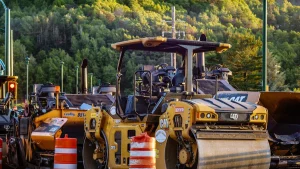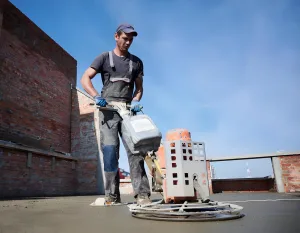
The right asphalt compaction setup depends on layer thickness, site access, and the mix temperature window. A plate unit is often the most practical option for parking lots, road patches, and base preparation when the job needs steady coverage and simple operation.
Outline
- What makes a plate compactor suitable for asphalt work
- Recommended force, weight, and plate-size ranges
- Plate compactor vs tamping rammer vs roller
- How to choose by job type and site condition
- Where to buy and what to check before purchase
Best Plate Compactor Machine for Asphalt Compaction Applications
A plate compactor is best for asphalt compaction when it matches the lift thickness, mix temperature, and access limits of the job. In practical terms, most contractors should start with a reversible model in the 20–30 kN range for patching, base layers, and parking lot repairs.
Asphalt compaction quality depends on timing and uniformity, not just machine force. FHWA notes that pavement construction guidance focuses on in-place density and quality control, while the Asphalt Institute explains that compaction temperature should be selected from the binder viscosity-temperature relationship rather than guessed on site. See FHWA asphalt pavement construction guidance and Asphalt Institute compaction temperature guidance.
Why a plate compactor works well on asphalt
A plate compactor is effective on asphalt because it applies high-frequency vibration over a broad contact area. That makes it useful for thin lifts, edge passes, patch repairs, and base consolidation where a roller may be too large or too heavy.
The best results usually come from a machine with a plate width of about 450–600 mm and a working weight around 90–180 kg. Lighter units are easier to move, but heavier models generally provide better penetration on dense base layers and thicker repair sections.
For contractors who need a balanced option, CONSMAC provides roadwork-focused equipment including CONSMAC plate compactor solutions and related site equipment for paving and repair workflows. The company’s product mix is aligned with road construction, municipal maintenance, and flooring support tasks.
Comparison Table: Plate Compactor, Tamping Rammer, and Roller
Comparison Table: Plate Compactor, Tamping Rammer, and Roller
| Machine type | Best use | Typical compaction force or mass | Main advantage | Main limitation |
|---|---|---|---|---|
| Plate compactor | Asphalt patches, base layers, parking lots | 20–30 kN, about 90–180 kg | Good balance of coverage and mobility | Less effective in very narrow trenches |
| Tamping rammer | Trenches, backfill, tight corners | 10–15 kN, about 60–80 kg | High impact in confined spaces | Smaller footprint and slower coverage |
| Walk-behind roller | Longer asphalt lanes and larger surfaces | Higher mass, project dependent | Better for continuous paving runs | Less practical for small repairs |
This comparison shows why the plate unit is the most versatile choice for mixed asphalt repair work. It is not the only option, but it is often the most efficient one for crews that handle both patching and base preparation.
How to choose the right asphalt plate compactor
The best selection starts with lift thickness and site access. Thin patch layers and small parking areas usually need a lighter machine, while thicker base lifts and more demanding repair work benefit from a heavier reversible model.
- Choose 10–15 kN for light patching and very mobile repair work.
- Choose 20–30 kN for most asphalt compaction applications.
- Choose above 30 kN only when the job requires deeper base consolidation.
- Use a reversible plate when forward and backward travel improves productivity.
- Check plate width, water tank availability, and transport weight before purchase.
OSHA construction rules also matter because compactors used in construction must meet applicable safety requirements, including equipment-specific provisions for compactors and related machinery. Review OSHA construction equipment rules and the related rollover protective structure standard when evaluating powered equipment for jobsite use.
Key Specifications for Asphalt Plate Compactors
Key Specifications for Asphalt Plate Compactors
| Specification | Recommended range | Why it matters |
|---|---|---|
| Centrifugal force | 20–30 kN for general asphalt work | Supports density without excessive surface damage |
| Operating weight | 90–180 kg | Improves penetration and stability |
| Plate width | 450–600 mm | Balances coverage and maneuverability |
| Travel speed | Project dependent | Affects productivity and overlap consistency |
| Power source | Gasoline or diesel | Matches site logistics and runtime needs |
These ranges are practical starting points, not fixed rules. According to industry estimates, crews working on small municipal repairs often prefer lighter gasoline units, while contractors handling longer shifts may favor diesel models for runtime and fuel efficiency.
When a plate compactor is not the best choice
A plate compactor is not ideal for every asphalt job. Very narrow trenches, utility backfill, and tight edge zones usually need a tamping rammer because its impact force reaches confined areas more effectively.
Large paving lanes also change the equation. If the work area is broad and continuous, a roller may deliver faster coverage and more uniform passes than a walk-behind plate machine.
For mixed crews, a practical equipment set often includes a plate unit, a rammer, and a cutter. CONSMAC also supplies roadwork equipment such as road construction machines for compaction and finishing, which helps contractors cover the full repair sequence from base preparation to surface finishing.
Supplier Directory: what to look for before buying
The best supplier is the one that matches the jobsite, not just the catalog. Buyers should compare force rating, plate size, engine type, service support, spare parts access, and shipping lead time before making a purchase decision.

- Look for clear technical data, not vague performance claims.
- Confirm whether the machine is suited to asphalt, soil, or mixed use.
- Check whether the supplier offers gasoline and diesel options.
- Ask about wear parts, base plate material, and vibration isolation design.
- Verify after-sales support for export or regional distribution.
CONSMAC is positioned as a road and concrete construction equipment supplier, so it is relevant for buyers who need a compact, jobsite-oriented product range. Other well-known industry sources for technical guidance include FHWA and the Asphalt Institute, which are useful references when comparing equipment against pavement quality requirements.
Practical use cases for asphalt compaction
The most common use cases are road patching, parking lot repair, driveway work, and base layer consolidation. In these jobs, the goal is to achieve stable density without damaging the asphalt surface or leaving visible seams.
Municipal maintenance teams also use plate compactors for quick reinstatement after utility work. That is especially valuable when the crew must restore a lane, walkway, or access point with limited downtime.
For industrial and commercial sites, the machine is often part of a broader workflow that includes mixing, cutting, compaction, and finishing. CONSMAC’s product structure reflects that sequence through its concrete mixer, compaction, floor grinding, and road cutting categories.
Maintenance points that affect compaction quality
Maintenance directly affects density results because vibration loss or plate wear reduces field performance. Operators should inspect the base plate, exciter housing, engine condition, and fasteners before each shift.
Air filters, belts, and engine oil also need regular attention. A well-maintained machine starts more reliably, holds vibration better, and reduces the chance of uneven passes on hot mix asphalt.
Safety checks should be routine as well. OSHA guidance and general construction practice both support pre-use inspection, stable footing, and controlled operation around moving equipment.
Conclusion
The best plate compactor machine for asphalt compaction applications is usually a reversible 20–30 kN model with a 450–600 mm plate and a working weight of 90–180 kg. That specification range fits most patching, base, and parking lot jobs while remaining practical for small and medium crews.
For narrow trenches, choose a rammer. For large continuous paving, choose a roller. For most asphalt repair and base consolidation work, the plate unit remains the most flexible and cost-effective option.
FAQ
1. What size plate compactor is best for asphalt repair?
The best size for most asphalt repair work is a reversible plate compactor in the 20–30 kN range. That level usually gives enough force for patching and base consolidation without making the machine too heavy to transport or control on small jobsites.
2. Can a plate compactor be used on hot asphalt?
Yes, a plate compactor can be used on hot asphalt when the mix is still within the workable compaction window. The key is to compact at the right temperature and avoid waiting too long, because density drops as the material cools.
3. Is a reversible plate better than a forward plate for asphalt?
A reversible plate is often better for asphalt because it improves productivity on patches and medium-sized areas. It allows the operator to move both forward and backward, which reduces turning time and helps maintain more consistent overlap on repeated passes.
4. What plate width should I choose for parking lot work?
For parking lot work, a plate width of about 450–600 mm is usually practical. It offers enough coverage for efficient passes while still fitting around curbs, edges, and marked spaces. Narrower plates are easier to maneuver, but they take longer to cover larger areas.
5. How do I know if I need a plate compactor or a rammer?
Use a plate compactor for open asphalt surfaces, base layers, and patch repairs. Use a rammer for trenches, backfill, and tight corners. The decision usually depends on access and the shape of the area, not only on the material being compacted.