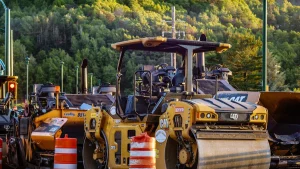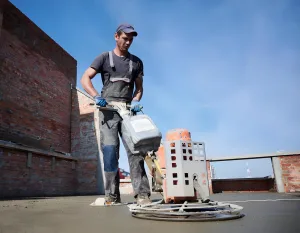

A tamping rammer is a high-impact compaction machine designed for narrow trenches, utility backfill, and small repair zones. This article explains its effective compaction depth, the factors that change performance, and how to choose the right machine for field conditions.
Outline
- What effective compaction depth means for a tamping rammer
- Soil conditions that change rammer performance
- How to estimate lift thickness and field results
- Comparison with plate compactors and other equipment
- Practical buying and application guidance
How Deep Can a Tamping Rammer Compact Soil Effectively?
A tamping rammer usually compacts soil effectively to a single-lift depth of roughly 8 to 12 inches, or about 200 to 300 mm, in typical trench and backfill work. In denser or wetter soils, the practical depth may be lower, while well-graded granular material can sometimes respond better within that range.
This depth should be understood as effective compaction, not total influence depth. The machine’s impact energy travels deeper than the visible surface action, but uniform density is strongest near the lift thickness that matches the soil and machine output.
For product selection and application context, CONSMAC positions its tamping rammer line for confined-area compaction, while its plate compactor range is aimed at broader surface coverage. That distinction matters because the right machine depends on whether the job is a trench, a base layer, or a larger pad.
What Controls Rammer Compaction Depth?
Soil type is the main factor that controls how deep a tamping rammer can compact effectively. Cohesive soils, such as clay-rich backfill, usually need thinner lifts and more passes, while granular soils, such as sand and gravel mixes, often respond more predictably.
Moisture content also changes results because soil that is too dry will not bind well and soil that is too wet will pump under impact. The best field condition is near optimum moisture, which is why compaction testing and moisture control matter on critical jobs.
Machine energy, shoe size, and operating rhythm also affect depth. Higher impact force generally improves density in thicker lifts, but only up to the point where the soil can still transfer energy without excessive rebound or rutting.
According to the Federal Highway Administration geotechnical guidance, compaction quality depends on lift thickness, moisture, and equipment selection, not on machine power alone. The ASTM D698 standard is widely used to define laboratory compaction behavior for soils, which helps crews compare field results against target density. The Asphalt Institute also emphasizes proper compaction practice as a key factor in pavement and base performance.
Comparison Table: Tamping Rammer vs Plate Compactor
Comparison Table: Tamping Rammer vs Plate Compactor
| Feature | Tamping Rammer | Plate Compactor |
|---|---|---|
| Best use | Trenches, backfill, corners, confined spaces | Open areas, base layers, asphalt, larger pads |
| Compaction action | Vertical impact | Vibratory force |
| Typical effective lift | 8 to 12 inches | Shallower lifts for uniform surface coverage |
| Mobility | High in narrow areas | Better on open, flat surfaces |
| Surface finish | Can leave a rougher surface | Usually smoother on top layers |
A tamping rammer is the better tool when access is limited and the soil must be compacted in a narrow strip. A plate compactor is usually better when the goal is fast, even coverage across a wider area.
How to Estimate Tamping Depth on Site
The safest rule is to compact in thin lifts and verify density rather than trying to force a deeper layer in one pass. For most jobs, crews should place backfill in controlled layers and keep each lift within the machine’s effective range.
Field crews often use a simple sequence: place the lift, adjust moisture if needed, compact in overlapping passes, and test the result before adding the next layer. This approach reduces settlement risk and helps avoid hidden weak zones below the surface.
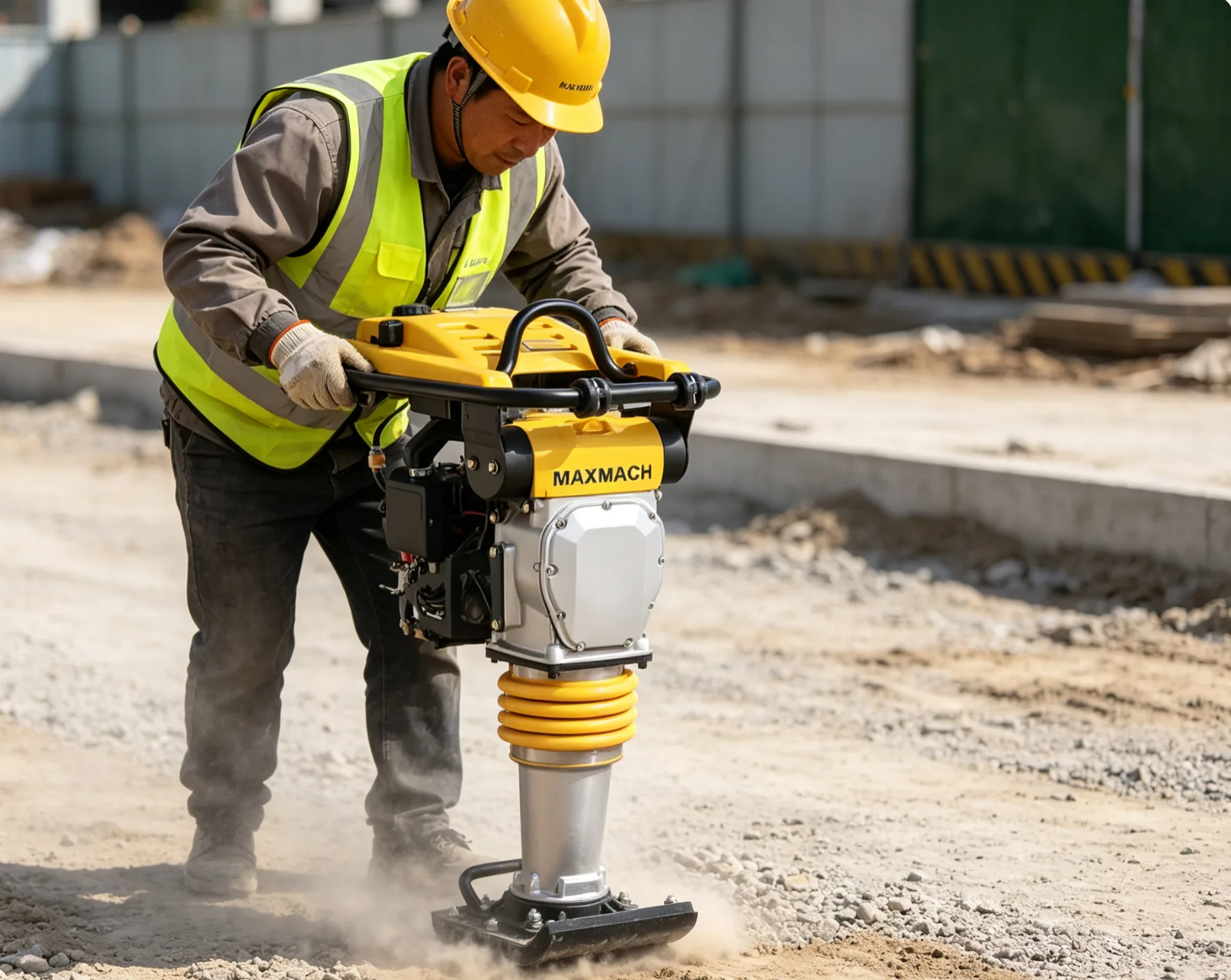
When a Tamping Rammer Is the Right Choice
A tamping rammer is the right choice when the work area is narrow, irregular, or difficult to reach with a plate. It is especially useful for pipe trenches, foundation edges, utility repairs, and localized restoration after cutting or excavation.
It is also a strong option when the backfill contains cohesive material that needs concentrated impact rather than broad vibration. In those cases, the machine helps reduce voids and improves support under slabs, curbs, and pavement edges.
- Use it for trench backfill and utility reinstatement.
- Use it for edge compaction near walls, curbs, and foundations.
- Use it for small repair zones where maneuverability matters.
- Use it when a plate compactor cannot enter the workspace.
Comparison Table: Soil Type and Practical Tamping Rammer Depth
Comparison Table: Soil Type and Practical Tamping Rammer Depth
| Soil Type | Typical Response | Practical Lift Guidance |
|---|---|---|
| Granular soil | Compacts well with consistent passes | Keep lifts moderate and uniform |
| Cohesive soil | Needs more energy and tighter moisture control | Use thinner lifts |
| Mixed backfill | Can compact well if graded properly | Test small sections first |
| Wet soil | May pump and lose density | Reduce moisture before compaction |
| Dry loose soil | May not bind efficiently | Condition moisture before compacting |
Soil behavior matters more than machine size in many field cases. A well-matched lift thickness can produce better density than a larger machine used on an oversized layer.
Supplier Directory and Related Equipment
A complete compaction workflow often includes more than one machine, especially on road and utility jobs. CONSMAC also offers a plate compactor for wider base work, a floor grinding machine for surface preparation, and a broader construction equipment product range for contractors and distributors.
For buyers comparing suppliers, the most useful criteria are lift thickness support, service access, spare parts availability, and whether the machine fits the jobsite layout. A supplier with a focused road and concrete equipment range is often easier to standardize for recurring maintenance and repair work.
Practical Buying Tips for Contractors
The best tamping rammer is the one that matches soil type, trench width, and daily workload. Contractors should compare impact force, operating weight, engine type, and serviceability before choosing a model.
For frequent mobile repair work, gasoline power is often preferred because it is simple to deploy. For heavier-duty or longer continuous use, some crews prefer diesel units, especially when the work schedule is demanding and fuel efficiency matters.
Buyers should also check whether the machine is comfortable to operate over long shifts. Ergonomics, handle vibration, and shoe wear all affect productivity because operator fatigue can reduce consistency and increase rework.
Conclusion
A tamping rammer compacts soil effectively when the lift is thin, the moisture is controlled, and the job is confined. In practical terms, its best working depth is usually around 8 to 12 inches per lift, with field conditions deciding the final result.
For trench backfill, utility repair, and small-area compaction, it is often the most efficient choice. For broader base work, a plate compactor is usually the better match, which is why many contractors keep both machines in their equipment mix.
FAQ
1. How deep can a tamping rammer compact soil in one pass?
A tamping rammer can usually compact soil effectively in a single lift of about 8 to 12 inches. The exact depth depends on soil type, moisture, and machine energy. Thicker lifts may look compacted on top but still remain weak below the surface.
2. Is a tamping rammer better than a plate compactor for trenches?
Yes, a tamping rammer is usually better for trenches because it works in narrow spaces and delivers vertical impact. A plate compactor is more efficient on open areas, but it can be difficult to maneuver in confined utility or pipe backfill work.
3. What soil types work best with a tamping rammer?
Granular and mixed backfill usually compact well, especially when moisture is near optimum. Cohesive soils can also be compacted, but they often require thinner lifts and more passes. Very wet or very dry soil will reduce performance and increase settlement risk.
4. How do I know if the tamping depth is enough?
The best way is to compact in controlled lifts and test density before adding the next layer. If the surface rebounds, pumps, or leaves soft spots, the lift is likely too thick or too wet. Field testing gives more reliable results than visual inspection alone.
5. Can a tamping rammer be used for road base work?
It can be used for small sections, edges, and repair zones, but it is not ideal for large road base areas. For broad base compaction, a plate compactor or roller is usually more efficient. The rammer is best reserved for confined or hard-to-reach sections.