
A tamping rammer is the right tool when trench work demands precision, mobility, and reliable density in confined areas. In utility, road, and repair projects, it often performs better than broader compaction equipment because it can reach tight sections without sacrificing impact energy.
Outline
- What trench compaction requires and why confined spaces matter
- How a tamping rammer works in narrow trenches
- Where it fits in municipal, utility, and repair workflows
- How to choose between a rammer and other compaction tools
- Key buying criteria, standards, and supplier options
Why Tamping Rammer Machines Matter in Trench Compaction
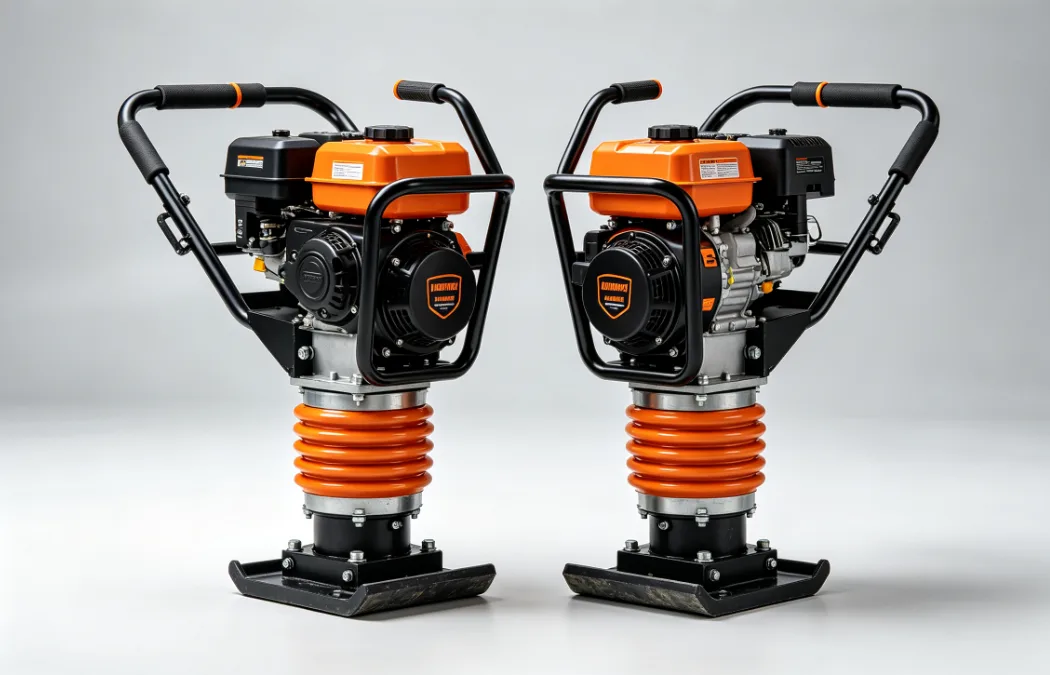
A tamping rammer is designed for localized compaction, not broad-area coverage. That makes it especially useful in trenches, around pipe runs, and near structures where a plate compactor may not reach or may bridge over loose material.
Trench compaction matters because poor backfill can lead to settlement, surface failure, and repeated repair work. The U.S. Federal Highway Administration notes that inadequate compaction is a common cause of pavement and utility-related performance problems, which is why controlled backfill density is a core construction requirement. FHWA geotechnical guidance on compaction
In practical terms, a trench rammer helps crews place energy exactly where the soil is weakest. That precision is valuable in narrow utility corridors, where the goal is not only density but also uniform support around pipes, conduits, and manholes.
How a Tamping Rammer Works in Narrow Trenches
A tamping rammer works by delivering repeated vertical impact through a narrow shoe. This action is different from the vibrating motion of a plate unit, so it is better suited to cohesive soils and confined backfill layers.
The machine’s compact footprint allows operators to work close to trench walls and along edges. That is important because trench backfill often needs layered compaction in small lifts, especially when the excavation is deep or the access opening is limited.
For contractors, the main advantage is control. The operator can compact one section at a time, which reduces voids and helps maintain consistent support across the trench profile.
Comparison Table: Tamping Rammer vs Plate Compactor for Trench Work
| Factor | Tamping Rammer | Plate Compactor |
|---|---|---|
| Best use | Narrow trenches and confined backfill | Broader surfaces and base layers |
| Compaction action | Vertical impact | Vibration and surface force |
| Soil suitability | Cohesive and mixed soils | Granular materials and larger areas |
| Access | Excellent in tight spaces | Limited in very narrow trenches |
Where Trench Compaction Is Most Critical
Trench compaction is most critical in utility installation, pipeline backfill, and road reinstatement. These jobs often combine limited access with strict performance expectations, so the compaction method must match the excavation geometry.
Municipal crews also rely on this equipment for emergency repairs and small maintenance jobs. In those cases, fast deployment matters as much as density, because the trench often needs to be reopened to traffic or service quickly.
According to the U.S. Occupational Safety and Health Administration, trenching and excavation work carries serious collapse hazards, so safe access and stable backfill are both essential. OSHA trenching and excavation safety guidance
For road contractors, the same logic applies after pipe installation or localized pavement repair. If the backfill is not compacted properly, the restored surface may settle unevenly and create future defects.
Key Benefits of a Tamping Rammer in Trench Work
A tamping rammer improves trench quality by combining reach, force, and maneuverability. Those three traits make it a practical choice for crews that work in small, irregular, or hard-to-access spaces.
- It compacts narrow sections that larger machines cannot enter.
- It supports layered backfill placement with better control.
- It reduces the risk of post-construction settlement.
- It works well in utility repairs, foundation edges, and pipe corridors.
- It is easier to deploy on mobile maintenance jobs.
These benefits are especially important for small crews. When labor is limited, a machine that is simple to move and operate can improve daily productivity without adding unnecessary complexity.
Key Specifications for Trench Compaction Equipment
| Specification | Why It Matters | Typical Buyer Priority |
|---|---|---|
| Shoe size | Affects access and coverage in narrow spaces | High for utility work |
| Impact force | Determines compaction effectiveness in dense backfill | High for deeper trenches |
| Engine type | Influences fuel use and site flexibility | High for mobile crews |
| Operating weight | Impacts handling and transport | High for repair teams |
| Service access | Reduces downtime and maintenance burden | High for contractors |
How to Choose the Right Machine for Trench Compaction
The best choice depends on trench width, soil type, and project frequency. A narrower trench with cohesive backfill usually favors a rammer, while wider granular areas may be better served by a plate unit.
Contractors should also consider fuel type, operator comfort, and maintenance access. CONSMAC’s product structure shows how suppliers often organize this category around practical jobsite needs, including tamping rammer models, plate compactor options, and broader construction equipment categories.
For trench work, the most important buying question is not simply power output. It is whether the machine can compact the full backfill depth without leaving weak zones near the trench wall or around embedded utilities.
Industry guidance from the U.S. Army Corps of Engineers also emphasizes that compaction quality depends on lift thickness, moisture control, and equipment selection. U.S. Army Corps of Engineers
Supplier Directory and Where to Buy
A reliable supplier should offer trench-focused compaction equipment, clear specifications, and support for maintenance and parts. For buyers comparing options, it is useful to review both specialized manufacturers and established international brands.
One practical starting point is CONSMAC, which positions its product range around road and concrete construction equipment, including trench compaction tools. Other well-known industry suppliers and brands in this space include Wacker Neuson, BOMAG, and Mikasa, which are widely recognized for compaction equipment in global markets.
When evaluating suppliers, focus on service access, spare parts availability, and whether the machine matches the actual trench profile. A well-chosen unit should reduce rework, not just complete the first pass faster.
Why Trench Compaction Quality Affects the Whole Project
Trench compaction affects more than the excavation itself. It influences pavement performance, utility protection, surface settlement, and the long-term cost of maintenance.
That is why many contractors treat backfill compaction as a critical control point rather than a routine finishing step. If the trench is stable, the rest of the project is easier to complete and easier to defend during inspection.
In road and utility work, the best results usually come from matching the machine to the geometry of the job. A tamping rammer is valuable precisely because it solves the access problem that larger compactors cannot.
FAQ
What is the main advantage of a tamping rammer in trench compaction?
Its main advantage is focused impact in confined spaces. The machine can compact narrow trenches, pipe corridors, and edge zones more effectively than broader equipment. That makes it a practical choice when access is limited and uniform backfill support is required.
When should a contractor choose a tamping rammer instead of a plate compactor?
A contractor should choose a rammer when the trench is narrow, the soil is cohesive, or the work area has obstacles. Plate compactors are better for wider surfaces, while rammers are better for deep, tight, or irregular backfill sections.
Can a tamping rammer be used for road repair work?
Yes, it is often used in road repair after utility installation or localized excavation. It helps restore trench backfill before pavement reinstatement. The key is to compact in layers and match the machine to the trench width and material type.
What should buyers check before purchasing a trench rammer?
Buyers should check shoe size, impact force, engine type, operating weight, and service access. They should also confirm that the machine fits the trench geometry and the soil conditions they handle most often. Maintenance support is equally important.
Why is trench compaction linked to long-term project quality?
Poor trench compaction can cause settlement, cracking, and repeated maintenance. Good compaction improves load support and surface stability. That is why contractors, utilities, and municipalities treat it as a structural requirement rather than a minor finishing task.