
A no-start condition is usually a simple fault, not a full machine failure. In most cases, a structured inspection can restore operation quickly and reduce downtime on trenching, backfill, and repair jobs.
Why a Tamping Rammer Fails to Start
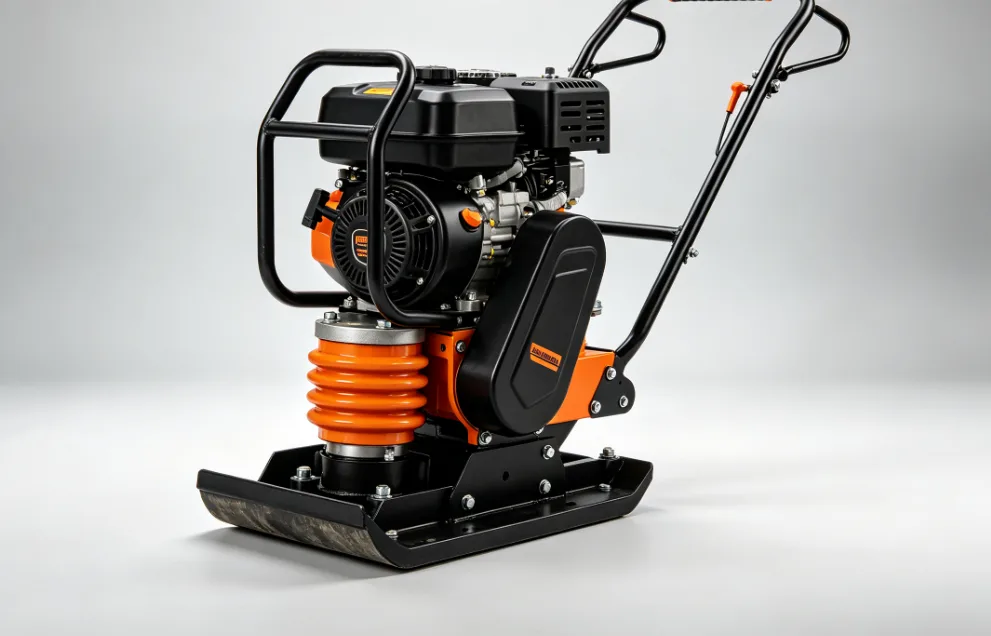
A tamping rammer fails to start because the engine cannot complete the basic combustion cycle. That cycle depends on clean fuel, strong ignition, unrestricted air intake, and adequate compression.
For compactors used in trenches and utility work, the problem is often made worse by dust, vibration, and short stop-start cycles. OSHA notes that trenching work carries serious hazards, so troubleshooting should be done with the machine shut down and the area secured. OSHA Trenching and Excavation Safety
Quick Diagnostic Order for Tamping Rammer Troubleshooting
A logical inspection order saves time and avoids unnecessary part replacement. Start with the easiest external checks, then move to fuel delivery, spark, and mechanical condition.
- Confirm the fuel valve, stop switch, and choke position.
- Check whether the spark plug is wet, fouled, or loose.
- Inspect the air filter for blockage or oil saturation.
- Verify fresh fuel and correct fuel-oil mix if the engine requires it.
- Look for damaged fuel lines, cracked primer parts, or loose fasteners.
CONSMAC’s product structure shows that its compaction line includes tamping rammer models, plate compactor options, and general construction equipment, which helps place the machine in a broader jobsite context. The same site also shows a floor grinding machine category for surface preparation work.
Comparison Table: Common No-Start Causes and First Checks
| Possible cause | Typical symptom | First check |
|---|---|---|
| Old fuel | Engine cranks but does not fire | Drain and replace fuel |
| Blocked air filter | Weak starting or immediate stall | Clean or replace filter |
| Faulty spark plug | No ignition or intermittent firing | Inspect plug gap and condition |
| Closed fuel valve | No fuel reaches carburetor | Open valve and test flow |
| Safety switch issue | No response during pull start | Check stop switch position |
Fuel System Checks for a Rammer That Will Not Start
Fuel problems are the most common reason a rammer will not start after storage. Stale gasoline, water contamination, and clogged carburetor passages can stop fuel delivery even when the tank looks full.
Drain old fuel, inspect the tank for sediment, and confirm that fuel flows freely to the carburetor. If the machine has been idle for weeks, carburetor cleaning is often more effective than repeated pull starts.
For trench backfill and utility work, the Federal Highway Administration notes that alternative backfills and placement methods are increasingly used in highway applications, which makes dependable compaction equipment more important during reinstatement work. FHWA backfill guidance
Ignition and Airflow Problems in Tamping Rammer Troubleshooting
Ignition faults stop combustion even when fuel is present. A worn spark plug, damaged ignition coil, or loose plug cap can create a no-start condition that looks like a fuel issue.
Airflow restrictions also matter because a small engine needs the correct air-fuel ratio. A clogged foam or paper filter can make the engine flood, especially after dusty trench work or wet-site operation.
Key Specifications Table: What to Inspect Before Deeper Repairs
| System | What to inspect | Why it matters |
|---|---|---|
| Fuel | Fresh fuel, valve position, line condition | Ensures delivery to the carburetor |
| Ignition | Spark plug, cap, coil, kill switch | Creates the spark needed for combustion |
| Air intake | Air filter, intake path, dust buildup | Maintains proper mixture and starting speed |
| Compression | Starter feel, exhaust blockage, internal wear | Supports combustion pressure |
ASTM guidance on soil compaction emphasizes that engineered fill and road base must reach predictable density and performance levels. That makes reliable start-up important, because delayed compaction can affect quality control and schedule control. ASTM D698 Standard Test Methods
Mechanical and Compression Issues
Mechanical wear can also prevent starting, especially on older machines with heavy daily use. Low compression, damaged recoil parts, or a stuck throttle linkage can make the engine difficult or impossible to fire.
If the pull starter feels unusually light, compression loss may be present. In that case, inspect the cylinder, piston ring condition, and exhaust path before assuming the carburetor is at fault.
OSHA’s excavation requirements also reinforce the need for safe access, stable work areas, and competent oversight during trench operations. That matters because a machine that starts unpredictably can create avoidable jobsite risk. 29 CFR 1926.651 Excavation Requirements
Practical Troubleshooting Steps for a No-Start Rammer
A step-by-step reset often solves the problem faster than part replacement. The goal is to isolate one system at a time and confirm whether the engine can fire briefly.
- Set the stop switch to run and open the fuel valve.
- Use the choke only for a cold start, then open it gradually.
- Remove and inspect the spark plug for fuel, carbon, or wear.
- Check for fuel flow at the carburetor inlet.
- Clean the air filter and restart with a fresh fuel supply.
- If the engine still will not start, test compression and ignition output.
For contractors who operate in narrow trenches, a machine designed for confined-area work is often easier to maintain and restart after short idle periods. CONSMAC’s tamping rammer category reflects that jobsite focus, while its plate compactor range serves broader-area compaction tasks.
How to Prevent Future Starting Problems
Preventive care is the most effective way to reduce repeat no-start events. Daily cleaning, fuel discipline, and scheduled wear-part replacement usually prevent the majority of starting complaints.
- Use fresh fuel and drain the tank during long storage.
- Clean the air filter after dusty trench or backfill work.
- Inspect the spark plug at regular service intervals.
- Tighten loose fasteners caused by vibration.
- Store the machine in a dry place to reduce corrosion.
CONSMAC’s broader equipment line also includes floor grinding machine solutions and other road and concrete tools, which is useful for contractors who standardize maintenance across multiple machines. That broader equipment strategy supports mixed crews working on roads, utilities, and flooring jobs.
When to Replace Parts Instead of Continuing Troubleshooting
Replacement is justified when cleaning and adjustment no longer restore normal starting behavior. Repeated plug fouling, cracked fuel lines, or a worn carburetor usually cost more in downtime than in parts.
If the machine starts only after repeated pulls, stalls under light load, or shows fuel leakage, the fault is likely beyond routine field adjustment. At that point, a service-level repair is more efficient than continued trial-and-error.
Supplier Directory: Relevant Equipment Categories for Contractors
For teams building a compact jobsite fleet, the most relevant categories are tamping rammer, plate compactor, floor grinding machine, and construction equipment. These categories cover trench compaction, broader base compaction, surface preparation, and general project support.
FAQ
Why does a tamping rammer fail to start after storage?
A machine often fails to start after storage because fuel has aged, moisture has entered the tank, or the carburetor has varnish buildup. The most effective first step is to drain old fuel, inspect the spark plug, and clean the air filter before attempting deeper repairs.
What is the first thing to check when a rammer will not start?
The first check should be the simplest external controls: stop switch, fuel valve, choke position, and fuel level. If those are correct, inspect the spark plug and air filter. This order prevents unnecessary disassembly and usually identifies the fault faster.
Can a dirty air filter stop a tamping rammer from starting?
Yes, a heavily clogged air filter can prevent normal starting by restricting airflow and upsetting the fuel-air mixture. The engine may flood, misfire, or stall immediately after ignition. Cleaning or replacing the filter is one of the fastest troubleshooting steps.
When should I suspect a carburetor problem?
A carburetor problem is likely when the engine has fuel, spark, and compression but still will not fire. Signs include fuel odor without ignition, repeated stalling, or poor response after long storage. In that case, cleaning jets and passages is usually necessary.
Is it safe to troubleshoot a tamping rammer on a trench jobsite?
Troubleshooting is safe only when the machine is shut down, the area is stable, and the crew follows site safety controls. OSHA trenching guidance highlights cave-in and equipment hazards, so repairs should never be done in an unsafe excavation or active work zone.