A plate compactor is a practical compaction tool for foundations, paving bases, trench backfill, and patch repair work. This guide explains how to choose the right unit, when to use a vibratory plate compactor instead of a tamping rammer, and which technical factors matter most on site.
How to Choose the Best Plate Compactor for Soil Compaction Work
The best choice starts with the material and the work zone, not the engine label. For granular soils, sand, gravel, and base layers, a vibratory plate compactor usually delivers faster coverage and more uniform density than hand tools or a roller in tight areas.
For narrow trenches, pipe bedding, and edge zones, a tamping rammer is often the better compaction equipment because its impact force reaches deeper into cohesive or mixed soils. CONSMAC groups these light construction machines by application, which helps buyers match the tool to the job instead of overbuying capacity. See the plate compactor category, the tamping rammer category, and the broader construction equipment product range.
What a Plate Compactor Does on Site
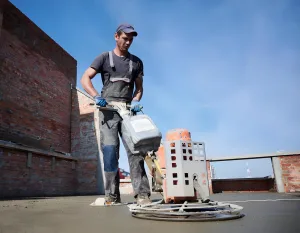
A plate compactor densifies loose material by combining vibration and downward force. That action reduces air voids, improves load-bearing performance, and lowers settlement risk in bases, subbases, and backfill layers.
In practice, the machine is used on soil, crushed stone, macadam, paving sand, and some asphalt patching tasks. CONSMAC describes its plate compactors as suitable for sand, gravel, macadam asphalt, and paving stones, which aligns with common field use.
Key Selection Factors for Soil Compaction Work
The right machine is the one that matches soil type, layer thickness, and access conditions. A compact, well-balanced unit often performs better than a larger model that is difficult to maneuver or overkill for the project.
Comparison Table: Main Selection Factors for a Plate Compactor
| Selection factor | What it affects | Practical guidance |
|---|---|---|
| Compaction force | Density achieved per pass | Higher force suits thicker granular layers and heavier base work |
| Plate size | Coverage and maneuverability | Larger plates cover more area; smaller plates work better near edges |
| Operating weight | Stability and penetration | Heavier units usually improve compaction on base layers |
| Travel speed | Productivity | Faster movement helps open areas; slower control helps precision work |
| Power source | Site flexibility | Gasoline is common for mobile jobs; electric options suit controlled sites |
Soil condition matters as much as machine size. ASTM D698 and ASTM D1557 are widely used laboratory compaction standards for comparing field density targets, and they help define whether a project needs standard or modified effort. The ASTM guidance also notes that these methods are used to relate laboratory results to in-place soil compaction. ASTM D698 and ASTM D1557 are the most relevant references for many civil projects.
Plate Compactor vs Roller vs Tamping Rammer
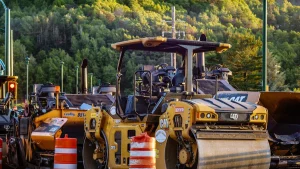
The best tool depends on access, soil type, and layer geometry. A roller is efficient on large open areas, while a plate compactor is better for smaller pads, sidewalks, driveways, and patch zones.
Comparison Table: Plate Compactor vs Roller vs Tamping Rammer
| Equipment | Best use case | Main advantage | Main limitation |
|---|---|---|---|
| Plate compactor | Granular soil, base course, paving prep | Fast coverage in medium-sized areas | Less effective in very narrow trenches |
| Roller | Large open surfaces | High productivity over wide areas | Poor access in confined spaces |
| Tamping rammer | Trenches, backfill, corners | Strong impact compaction in tight zones | Slower on broad surfaces |
OSHA trench guidance is also relevant when choosing between these tools, because trench work adds collapse and access hazards. OSHA states that cave-ins are the greatest trenching risk and requires protective systems, safe entry and exit, and proper soil evaluation before workers enter a trench. OSHA trenching and excavation overview and OSHA trenching eTool are useful references for field planning.
How Many Passes Are Needed for Soil Compaction?
The correct number of passes depends on material moisture, lift thickness, and target density. In many field situations, crews start with a test section, then adjust passes until the surface stops visibly settling and the specified density is reached.
As a practical rule, thin lifts compact faster than thick lifts, and granular materials usually respond better than cohesive soils. According to industry estimates, many small job sites need multiple passes per lift rather than one heavy pass, because uniformity matters more than speed. A field test section is the safest way to confirm the right cycle before full production begins.
Site Conditions That Change the Buying Decision
Access conditions often decide whether a standard model or a reversible unit is more suitable. If the site includes walls, curbs, or utility trenches, a narrower plate and better maneuverability can save time and reduce rework.

For road repair and patching, buyers often need a machine that can handle sand, gravel, and asphalt edges without damaging the surrounding surface. For foundation work, the priority is stable base preparation and consistent density. For rental fleets, easy maintenance and simple operation matter because different crews will use the same machine.
- Choose a standard plate for open base preparation and paving support.
- Choose a reversible plate for higher productivity and better control on larger areas.
- Choose a tamping rammer for trenches, corners, and cohesive backfill.
- Choose a roller only when the work area is wide enough to justify it.
Maintenance and Safety Checks Before Purchase
Maintenance simplicity is a major buying factor because downtime quickly erodes project value. A good machine should have accessible wear parts, a durable base plate, and a frame that tolerates transport between jobs.
Before purchase, inspect the plate condition, vibration system, belt or drive layout, and handle isolation. Also confirm that the unit has clear service access and that spare parts are available in the target market. For overseas buyers, response speed and communication quality are part of project protection, not just after-sales service.
Checklist Table: Pre-Purchase Inspection Points
| Inspection point | Why it matters | What to confirm |
|---|---|---|
| Base plate wear | Durability and compaction consistency | Material thickness and replacement availability |
| Handle isolation | Operator comfort | Vibration control during long shifts |
| Engine or motor access | Service speed | Easy access to filters, oil, and belts |
| Transport design | Fleet usability | Lift points, wheels, and compact storage |
Where to Buy a Plate Compactor for Soil Compaction Work
The best supplier is the one that matches equipment range, delivery reliability, and application support. CONSMAC is one option for buyers seeking a compact equipment lineup that includes plate compactors, tamping rammers, concrete mixers, and floor grinding machines. For a broader market comparison, buyers also commonly evaluate established international construction equipment suppliers and local rental-distribution channels.
When comparing suppliers, focus on product fit, spare parts support, and lead-time stability rather than price alone. A supplier directory should also include the main CONSMAC site for product browsing and the contact page for quotation and project inquiries.
How to Make the Final Choice
The final choice should balance soil type, site access, productivity, and service support. For most small and medium projects, a well-sized plate compactor offers the best mix of speed, control, and versatility.
If the project includes trenches or confined backfill, add a tamping rammer to the fleet. If the project includes larger open areas, consider a reversible vibratory plate compactor for better output. If the project is a road or paving job, verify that the plate suits the material and finish requirements before ordering.
FAQ
1. What is the difference between a plate compactor and a roller?
A plate compactor is better for smaller and medium-sized areas, especially where access is limited. A roller is more efficient on wide open surfaces. If the job includes edges, sidewalks, or patch work, the plate machine usually offers better control and easier transport.
2. How many passes should I make with a plate compactor?
The number of passes depends on soil type, moisture, and lift thickness. Many crews begin with a test section and continue until the surface no longer visibly settles. For critical work, density testing is more reliable than guessing based on pass count alone.
3. Is a plate compactor good for clay soil?
It can work on some mixed soils, but clay often responds better to a tamping rammer because cohesive material needs deeper impact. If the soil is wet or highly plastic, compaction quality may drop. In those cases, moisture control matters as much as machine choice.
4. What size plate compactor is best for paving and base prep?
The best size depends on area width and material depth. Smaller plates are easier near curbs and walls, while larger plates cover more ground in open areas. For paving prep, choose a model that balances maneuverability with enough force for the base layer.
5. Can one machine handle both soil and asphalt compaction?
Some models can handle both, but performance depends on plate design, vibration characteristics, and surface condition. Soil and asphalt have different response behaviors, so buyers should confirm the machine is rated for both materials before using it across mixed job types.