
- Lightweight tamping rammers are designed for narrow, confined, and mobile compaction work.
- Compaction performance depends on soil type, impact energy, shoe geometry, and operator control.
- Contractors should choose a rammer based on access, lift weight, and productivity, not only engine size.
- Field density targets should be verified against project specs and methods such as ASTM D1557 and ASTM D6938.
- For trench, utility, and patchwork jobs, a portable tamping rammer often outperforms a larger plate compactor in tight zones.
Best lightweight tamping rammer machine for construction contractors is a search about more than portability; it is about choosing a compact tool that still meets density, access, and durability demands on real jobsites. In geotechnical practice, compaction quality is measured by tests such as ASTM D1557 for maximum dry density and ASTM D6938 for in-place density verification, while nuclear gauge procedures follow NIST guidance on nuclear gauge density and moisture testing. For contractors working in trenches, utility cuts, and small backfill zones, that means the decision is rarely about raw size alone; it is about controlled impact, maneuverability, and the ability to reach specification without rework.
Why a Lightweight Tamping Rammer Matters for Contractor Work
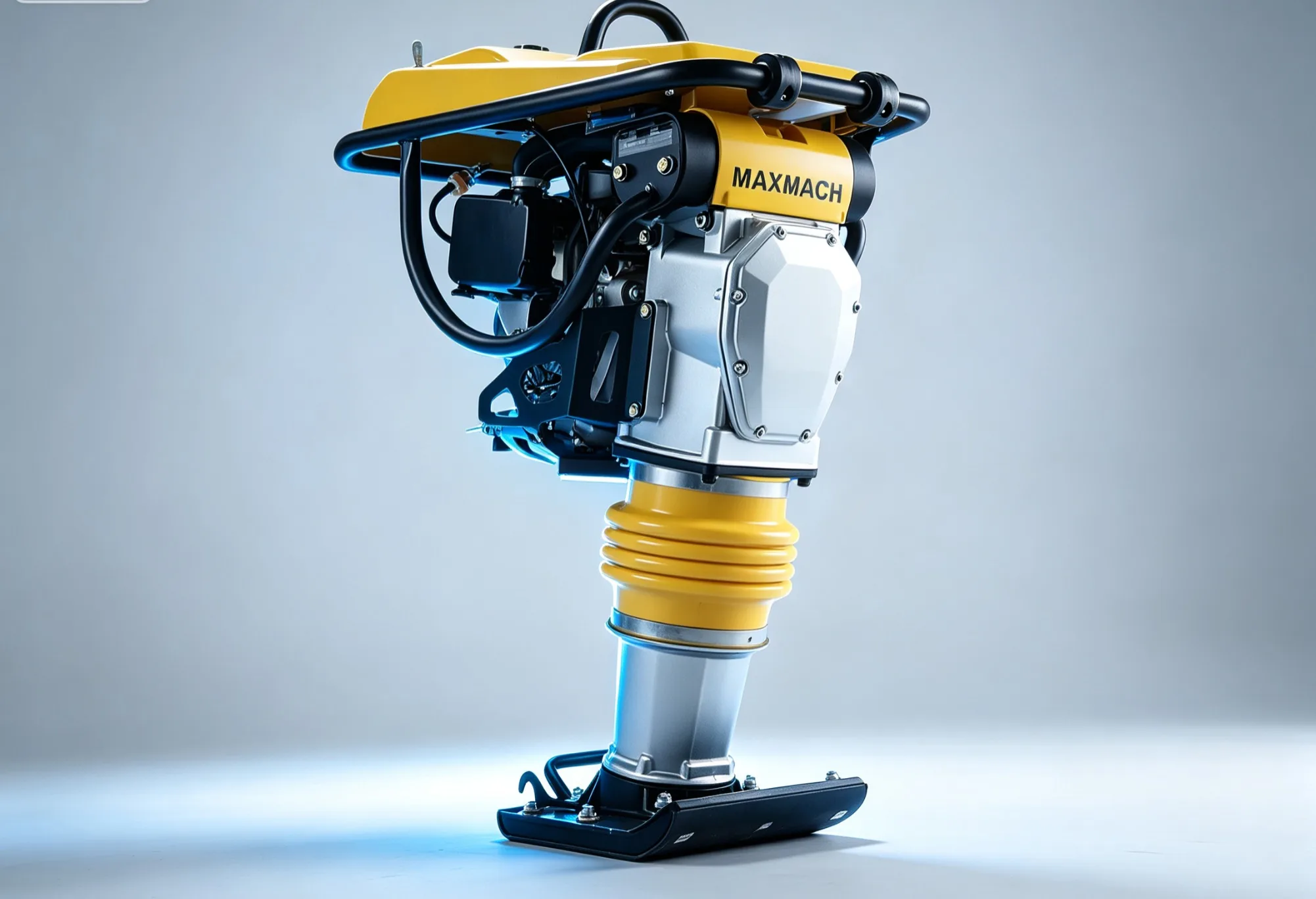
A lightweight tamping rammer solves the access problem that often makes compaction slow and expensive. When a crew is working between pipe runs, against foundations, or inside a roadside repair box, there may be no room for a plate compactor to turn or vibrate properly. A portable tamping rammer, by contrast, delivers vertical impact in a small footprint, which is why it is favored for backfill around utilities, trench edges, and confined restoration work.
That access advantage matters because compaction failure is usually a hidden cost. Poor density can lead to settlement, joint separation, and premature patch failure, especially in roads, sidewalks, and parking lot repairs. Contractors who compact in stages, test moisture, and match the machine to the fill material usually reduce callbacks and save labor. The most useful mindset is simple: if the area is narrow, deep, and difficult to reach, the tamping rammer is often the right first machine.
How a Portable Tamping Rammer Works
A portable tamping rammer works by converting engine power into a repeated vertical impact that drives the shoe into the soil. The rammer lifts and drops its foot at high frequency, compacting material in thin lifts rather than vibrating a wide area like a plate compactor. This makes it particularly effective on cohesive soils, mixed backfill, and trenches where sidewall confinement helps the material lock in density.
For contractors, the key variables are impact force, stroke height, frequency, shoe size, and machine balance. A good lightweight rammer should feel stable at the handle, predictable at the shoe, and manageable during turning or repositioning. In practice, the operator should be able to maintain a straight compaction path without excessive bounce or drift, especially in narrow trenches where control matters as much as output.
| Compaction Tool | Best Use | Typical Strength | Limitation |
|---|---|---|---|
| Lightweight tamping rammer | Trenches, backfill, edges | High vertical impact in a narrow footprint | Slower on large flat areas |
| Plate compactor | Road base, parking lots, broad fills | Fast surface coverage | Poor maneuverability in confined spaces |
| Trench roller | Deep utility trenches | Higher productivity in long linear work | Less flexible on small patchwork jobs |
Best Lightweight Tamping Rammer Features Contractors Should Compare
The best lightweight tamping rammer is the one that matches the jobsite, not the brochure. Contractors should compare engine power, operating weight, shoe dimensions, compaction frequency, fuel type, and transport convenience. A machine that is easy to load into a pickup and still powerful enough for daily trench work often creates more value than a heavier model that needs extra handling.
For road and utility contractors, two features are especially important: balance and serviceability. A balanced tamper reduces operator fatigue and improves line control, which is critical when compacting along excavation walls. Serviceability matters because air filters, shock mounts, bellows, and shoes wear out under dusty, repetitive use. A machine that is easy to inspect and maintain is usually the smarter long-term choice.
| Selection Factor | Why It Matters | Contractor-Focused Target |
|---|---|---|
| Operating weight | Impacts portability and trench access | Light enough for one- or two-person loading |
| Shoe size | Controls compaction footprint | Small enough for confined zones, large enough for productivity |
| Engine output | Affects repeatability under load | Stable power delivery during long shifts |
| Fuel option | Supports site logistics | Gasoline or diesel based on project conditions |
| Handle vibration | Reduces fatigue and improves precision | Low operator strain on multi-hour use |
If you want to compare how a rammer fits into a broader roadwork fleet, it helps to review complementary machines such as plate compaction equipment, concrete cutting equipment, and floor grinding equipment. Those categories handle different steps of the same workflow, from base preparation to repair and surface finishing.
Technical Data That Actually Matters in Tamping Rammer Machine Selection
Technical data matters because it tells you whether the machine can do the work consistently, not just once on a demo lot. In the compaction world, numerical data should be read alongside soil type and layer thickness. For example, compaction targets are typically tied to maximum dry density from lab testing, while field verification checks whether the compacted lift meets the project threshold.
From a standards standpoint, contractors often rely on ASTM D1557 for modified Proctor compaction curves and ASTM D6938 for density and moisture measurement in the field. That means a lightweight tamping rammer is not chosen in isolation; it is selected to help the crew reach the density level the project engineer requires.
| Metric | Why It Is Important | What Contractors Should Look For |
|---|---|---|
| Impact frequency | Influences lift consolidation | Consistent stroke under load |
| Stroke height | Affects energy transfer | Sufficient vertical lift for cohesive backfill |
| Shoe contact area | Controls pressure at the base | Proper size for trench width |
| Operating weight | Impacts handling and portability | Easy transport without sacrificing effectiveness |
| Fuel consumption | Determines daily operating cost | Predictable runtime for mobile crews |
For moisture testing and density validation, many contractors use nuclear gauge methods guided by NIST nuclear gauge guidance. That is especially useful when trench work is scheduled in short windows and rework would delay the next trade.
Where a Lightweight Rammer Beats Bigger Equipment
A lightweight tamping rammer outperforms larger equipment when the site geometry is the real bottleneck. In utility trenches, curb repairs, around manholes, and beside retaining walls, the compaction challenge is not lack of machine power; it is access. A large plate compactor may cover more surface per pass, but it can miss corners, overshoot edges, and leave weak zones near obstructions.
Contractors also prefer portable rammer machines for phased work. On a repair job, crews may compact a narrow section, test density, place the next lift, and move on quickly. That workflow minimizes idle time and reduces the chance of damaging adjacent pavement or utilities. For municipalities and subcontractors handling frequent service calls, that flexibility is often more valuable than peak surface coverage.
- Excavate and verify trench dimensions.
- Place backfill in thin, controlled lifts.
- Adjust moisture content before compacting.
- Compact each lift with a portable tamping rammer.
- Test density and repeat if the target is not met.
How to Match the Rammer to Soil, Lift Thickness, and Jobsite Conditions
The right tamping rammer selection starts with soil behavior, not machine preference. Granular soils, mixed backfill, and cohesive material each react differently under impact. A lightweight rammer is usually most effective when lift thickness is controlled and the operator works in multiple passes instead of trying to compact too much material at once.
For trench work, narrower shoes help target the compacted zone, while a broader shoe may help with small pads and patch transitions. Moisture is equally important. Soil that is too dry may not bind well, while over-wet material can pump or rebound. That is why field testing matters: density tells you whether the lift is stable, and moisture tells you whether the material was in the right condition to compact.
| Soil Condition | Rammer Suitability | Contractor Note |
|---|---|---|
| Granular backfill | Good | Compact in thin lifts for best density |
| Cohesive soil | Very good | Vertical impact helps bind material |
| Wet, pumping fill | Poor | Correct moisture before compaction |
| Very wide base layers | Limited | Plate compactor may be more efficient |
Maintenance Practices That Extend Tamping Rammer Life
Maintenance determines whether a lightweight tamping rammer stays reliable or becomes a repeat repair item. The most common failures on contractor-owned units come from worn bellows, dirty air filters, loose fasteners, damaged shoes, and poor fuel management. Because rammers run in dust and vibration-heavy environments, small neglect becomes expensive quickly.
A practical maintenance routine should include daily visual inspection, filter cleaning, fastener checks, and verification that the shoe and boot assembly are not cracked or excessively worn. On multi-crew fleets, a standardized pre-start checklist can reduce downtime and help each operator catch issues before the machine enters service. That is especially important for portable equipment that travels between jobs and gets used by different teams.
- Inspect the shoe for wear or distortion before each shift.
- Check air filters and cooling paths in dusty conditions.
- Verify fuel quality and avoid contaminated storage cans.
- Tighten handle and frame hardware during scheduled service.
- Replace worn bellows or shock components early.
Contractors looking for a broader equipment set often pair rammer work with concrete mixing equipment for repair materials and power troweling equipment for finishing new slabs. That combination supports a full small-job workflow from placement to finish.
Project Scenarios Where Contractors Get the Highest Return
The highest return from a lightweight tamping rammer comes from repetitive, small-scale, access-limited jobs. Utility contractors use it for water, gas, electric, and communications backfill. Road crews use it for cut-and-patch restorations. Site contractors use it around footings, curbs, and drainage structures. In each case, the equipment earns its keep by reducing hand tamping and minimizing callbacks from settlement.
On parking lot and roadway maintenance work, a portable tamping rammer is often the last compaction tool used before surface restoration. That makes it part of the quality chain that protects the final asphalt or concrete patch. If the base is not compacted correctly, even excellent surface work will not last. That is why crews that take compaction seriously usually see better long-term performance from repaired areas.
Comparison Guide for Construction Contractors
Contractors should compare machines based on the job they perform most often, not the biggest challenge they might face once a month. A lightweight tamping rammer is ideal when the crew needs mobility, trench access, and consistent density in small zones. If the work is mostly open-base coverage, a plate compactor may be better. If the work is deep trench line compaction, a trench roller may be more productive.
| Job Type | Best Tool | Why |
|---|---|---|
| Utility trench backfill | Lightweight tamping rammer | Fits narrow geometry and compacts vertically |
| Road base and sidewalk subgrade | Plate compactor | Faster coverage on open areas |
| Long linear trenches | Trench roller | Higher output on extended runs |
| Patch and edge repair | Portable tamping rammer | Controls tight corners and edges |
For companies building a compact, jobsite-ready fleet, browsing categories like road construction machinery can help align compaction, cutting, mixing, and finishing equipment in one workflow. That is often more efficient than buying isolated tools that do not support the same project mix.
What Contractors Should Ask Before Buying
The smartest purchase decision is based on access, workload, and maintenance reality. Before buying a lightweight tamping rammer, contractors should ask where the machine will be used most often, who will load and unload it, how often it will be transported, and whether the crew needs gasoline or diesel flexibility. A machine that is easier to move and service will usually see more actual use than a heavier unit that stays on the truck.
- Will it fit the narrowest trench or repair area on your jobs?
- Can one person handle loading, unloading, and repositioning?
- Does the machine deliver consistent compaction in your common soil types?
- Are replacement parts and service procedures simple enough for field use?
- Does it support the density targets in your project specifications?
When contractors align those answers with compaction standards and field testing, the result is usually fewer failures, faster turnover, and better profitability on small civil jobs.
FAQ
What is the best lightweight tamping rammer used for?
The best lightweight tamping rammer is used for trench backfill, utility repairs, curb edges, and other narrow spaces where a plate compactor cannot work efficiently.
Is a portable tamping rammer better than a plate compactor?
A portable tamping rammer is better in confined areas and cohesive fill, while a plate compactor is usually better for open, flat surfaces.
What standards apply to compaction testing?
Commonly used standards include ASTM D1557 for modified Proctor compaction and ASTM D6938 for field density testing.
How do I know if the soil is ready for compaction?
Soil is ready when moisture content is close to the project target and the lift thickness is controlled enough for the machine to compact uniformly.
Can a lightweight tamping rammer handle cohesive soil?
Yes, a tamping rammer is often very effective on cohesive soil because its vertical impact helps bind the material in thin lifts.
What maintenance does a tamping rammer need?
Typical maintenance includes cleaning filters, checking the shoe and bellows, tightening hardware, and inspecting fuel quality and vibration-related wear.
How should contractors choose the right rammer size?
Choose the size based on trench width, transport needs, soil type, and how often the machine will be loaded, unloaded, and moved on site.