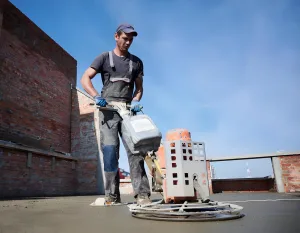
- Small concrete mixers are best chosen by batch size, site access, and power source, not by price alone.
- A compact mixer in the 5 to 9 cubic foot range fits most home concrete mixer use cases such as footings, slabs, and repairs.
- Consistent mix quality depends on fill ratio, drum angle, mixing time, and how well the mixer matches the job volume.
- For mobile crews, portability and simple maintenance can matter more than maximum drum size.
- Good buying decisions reduce waste, rework, and labor on residential concrete projects.
Small concrete mixer selection matters because residential concrete work is unforgiving: once water, cement, and aggregate are combined, timing, consistency, and placement all affect the final result. Concrete is commonly specified by compressive strength in accordance with ASTM C39/C39M, while mixture proportioning and batching practices are often guided by ACI and ASTM methods such as ASTM C94/C94M for ready-mixed concrete, making consistency critical from the first batch onward. In practical terms, a home concrete mixer that produces repeatable loads, supports easy unloading, and fits tight access can save hours on a patio, fence post, or garage slab job. For contractors building a small workflow around material prep and placement, a broader equipment set such as concrete pavers, plate compactors, and tamping rammers can also improve the quality of the base before the pour.
What Makes the Best Small Concrete Mixer for Home Concrete Mixer Jobs?
The best small concrete mixer is the one that produces a usable batch fast enough for your crew and small enough for your site constraints.
Home construction and light repair work usually involves short pours, partial-day labor, and access limitations around garages, backyards, side yards, and renovation sites. That means a mixer should be judged by usable capacity, wheelbase stability, discharge control, and how easy it is to move through gates or over uneven ground. A larger drum can look appealing, but if it is too heavy to relocate or too big for your pour size, the extra capacity becomes waste. In residential work, waste often comes from overbatching, not from underpowered mixing.
For context, ASTM C94/C94M defines ready-mixed concrete delivery expectations, while ACI 304R addresses placing and handling practices that influence segregation and uniformity. Even though a homeowner is not usually running a commercial batch plant, the same principles still apply: uniform aggregate distribution, proper water control, and timely discharge are what keep a small pour from turning into a finish problem later. If you are also comparing site equipment for surrounding tasks, a concrete mixer often works best as part of a small set that includes surface finishing and compaction tools rather than as a standalone machine.
Small Concrete Mixer Capacity: How Much Is Enough?
Most residential users should choose the smallest mixer that can comfortably cover their typical batch volume with a safety margin.
A practical rule is to size the drum for your most common batch, not your rare largest pour. A 5 cubic foot mixer may be enough for patching and small repairs, but a 6 to 9 cubic foot unit is usually more flexible for footing pours, small slabs, and repeated driveway sections. The reason is simple: batch volume is only part of the calculation. You also need room for aggregate movement, cement coating, and water distribution. Overfilling a mixer raises the chance of inconsistent blend quality and longer mixing time.
| Use case | Typical batch need | Recommended mixer class | Why it fits |
|---|---|---|---|
| Fence post bases | 1 to 2 bags per batch | 4 to 5 cu ft | Fast setup, low waste |
| Patio edge repair | 2 to 4 bags per batch | 5 to 6 cu ft | Portable and easier to discharge |
| Walkway or slab patch | 3 to 5 bags per batch | 6 to 7 cu ft | Balanced output and mobility |
| Small driveway section | 4 to 6 bags per batch | 7 to 9 cu ft | Better throughput for repeated loads |
Concrete yield also matters. A standard 80 lb bag of concrete mix typically yields about 0.6 cubic feet of mixed concrete, according to manufacturer specifications, which means a 6 cubic foot mixer can hold multiple bag-equivalent loads without forcing the operator into constant reloading. That is why many small crews prefer a home concrete mixer that can produce several consistent batches instead of one oversized batch that is difficult to place on time.
Engine, Motor, and Power Source Choices for a Small Concrete Mixer
The best power source is the one that matches your site access and runtime needs.
Electric mixers are often the cleanest choice for garages, backyard projects, and suburban renovation work because they are quieter and easier to start. Gasoline and diesel units are better when there is no reliable site power or when the mixer must move between locations. For mixed-use contractors, power choice matters as much as drum size because a small concrete mixer may be used on a sidewalk patch one day and a remote utility base the next.
When comparing power systems, look at starting reliability, maintenance intervals, and whether the jobsite has outlets or fuel logistics. If the site has electrical service, a compact electric mixer can reduce exhaust concerns and simplify indoor-adjacent work. If the site is remote, a fuel-powered machine gives more freedom. The right choice is rarely about maximum horsepower; it is about consistent output over the full workday.
| Power type | Best for | Typical strengths | Typical limitations |
|---|---|---|---|
| Electric | Home repair, garages, patios | Low noise, simple start | Needs power access |
| Gasoline | Mobile small crews | No cable dependency | More fuel and exhaust management |
| Diesel | Extended field work | Durable under heavy duty cycles | Higher weight and cost |
For buyers comparing a small concrete mixer for home concrete mixer use, a practical question is whether the machine will be used once a month or every week. Light-use homeowners may value simplicity over throughput, while contractors often need a configuration that can be serviced quickly and restarted many times in one day.
Mix Quality, Drum Design, and Why Uniformity Matters
Mix quality is the difference between a clean pour and a costly rework job.
Concrete uniformity is affected by drum shape, blade layout, fill percentage, water addition timing, and discharge control. A well-designed small concrete mixer should tumble materials without dead zones where aggregate collects and cement does not fully coat. In a home project, poor uniformity may show up as weak spots, surface pinholes, excess water bleed, or a finish that changes from batch to batch.
ASTM C138/C138M covers density, yield, and gravimetric methods for concrete, while ASTM C143/C143M defines slump testing, one of the most common field checks for workability. Slump is not the only measure of quality, but it is a useful indicator that helps crews keep batches consistent. A stable process is more important than chasing a single perfect batch, especially on small pours where the mixer may be stopped and restarted several times.
In real-world home work, the best small concrete mixer is often the one that minimizes human error. Clear drum discharge, a predictable tilt angle, and easy loading help the operator keep the water-cement balance under control. That is especially important when the same mixer is used for footings, small slabs, and repair patches in one week.
- Load dry materials first and keep batch proportions consistent.
- Add most of the water gradually rather than all at once.
- Mix long enough to fully coat aggregate, but not so long that segregation increases.
- Discharge quickly once the batch reaches workable uniformity.
Comparing Small Concrete Mixer Types for Residential Projects
Not all small concrete mixers solve the same job problem.
Some mixers are optimized for portability, others for repeated batch production, and others for rugged site conditions. For homeowners, the right answer depends on whether the project is occasional repair work or a full renovation sequence. A portable drum mixer may be ideal for a backyard patio, while a heavier-duty unit may be better for a contractor doing multiple residential pours per week.
| Type | Best use | Typical benefit | Trade-off |
|---|---|---|---|
| Portable drum mixer | Home repair and small pours | Easy to move and store | Smaller batch volume |
| Heavy-duty compact mixer | Repeated contractor work | Higher output consistency | More weight |
| Tilting drum mixer | Fast unloading | Simple discharge control | Can demand more operator care |
| Forced-action compact mixer | Specialty mixes | Excellent blending control | Usually more expensive |
If your work is part of a broader site sequence, you may also need tools for base preparation and finishing. That is where a machine family approach helps. A small concrete mixer prepares material, while a concrete float or power trowels can improve surface finish after placement. For driveway or sidewalk work, pairing the mixer with compaction equipment can reduce settlement and improve slab performance over time.
What Residential Buyers Should Check Before Buying a Home Concrete Mixer
A good purchase decision starts with site conditions, not product photos.
Before buying, measure doorway width, gate clearance, storage space, and the rough distance from mixing point to pour point. A small concrete mixer that is perfect on paper can still fail in practice if it cannot fit through a side passage or if the discharge height does not match your wheelbarrow. This is why mobility and ergonomics matter as much as drum capacity.
Buyer checklist items should also include drum cleaning access, spare parts availability, frame stability, wheel quality, and emergency stop or safety controls where applicable. For mixed fleets, serviceability can be decisive because downtime on a small crew has an outsized effect. If a mixer is down for one day during a tight residential schedule, the crew may lose an entire placement window.

- Confirm your most common batch size before comparing models.
- Check whether the power source matches the site.
- Verify wheelbase, height, and storage dimensions.
- Inspect the discharge mechanism for ease of use.
- Ask about wear parts, bearings, and service support.
How Small Concrete Mixer Use Fits Into the Wider Residential Workflow
The mixer is only one part of a residential concrete workflow.
Small pours fail when material preparation, subgrade preparation, placement, and finishing do not align. A homeowner pouring a patio edge may only think about the mixer, but the result is influenced just as much by compaction, formwork, curing, and finishing tools. In that sense, the best small concrete mixer is a workflow tool, not just a batch tool.
For example, a typical sequence may involve compacting the base, mixing the load, placing concrete, striking off the surface, and then finishing it with the right tool set. In site terms, that means the mixer has to deliver concrete at the pace the crew can place it. If it delivers too slowly, cold joints become a risk; if it delivers too quickly, material can sit too long before finishing. Balanced throughput is the goal.
On a small residential job, efficiency is measured in labor saved per batch, not in maximum output per hour. That is why many experienced users favor a mixer that is simple, stable, and easy to clean. They are optimizing for consistent outcomes, not showroom specifications.
Maintenance Tips That Extend Small Concrete Mixer Life
Routine cleaning and inspection are the cheapest way to keep a small concrete mixer useful for years.
Concrete residue hardens quickly, so the drum, blades, and discharge area should be cleaned immediately after use. Bearings, belts, and fasteners should be checked periodically, especially on machines that travel between job sites. If the mixer is used in wet or dusty environments, inspection intervals should be shorter because contamination accelerates wear.
- Rinse the drum right after discharge.
- Remove hardened buildup before it affects balance.
- Check fasteners, wheels, and supports before transport.
- Inspect electrical cords or fuel systems for damage.
- Store the mixer dry and covered when not in use.
These steps are basic, but they matter because a small mixer’s value comes from repeat availability. A machine that starts reliably and cleans easily supports better project planning, especially for homeowners who can only work on evenings or weekends.
When a Small Concrete Mixer Is Better Than Hand Mixing
A small concrete mixer usually beats hand mixing once batch size, consistency, or labor strain start to matter.
Hand mixing may seem cheaper at first, but it becomes less practical as soon as the project exceeds a few small bags. Labor fatigue increases variability, and the batch often becomes less uniform as the job continues. A small concrete mixer improves repeatability and reduces the physical burden of turning, folding, and remixing material by hand.
For home concrete mixer buyers, this is the main economic argument: one machine can reduce wasted material, reduce strain, and increase the chance that the concrete is placed before it starts to lose workability. On time-sensitive pours, that matters more than the purchase price difference. In practice, a compact mixer can be the point where a weekend project becomes manageable instead of exhausting.
| Mix method | Consistency | Labor demand | Best fit |
|---|---|---|---|
| Hand mixing | Variable | High | Very small patch work |
| Small concrete mixer | Repeatable | Moderate | Most residential pours |
| Large site mixer | High | Lower per batch | Commercial-scale work |
Practical Buying Conclusion for Home Concrete Mixer Shoppers
The best small concrete mixer for residential and home building projects is the one that fits your real pour size, your access limits, and your power availability.
For most homeowners, a compact 5 to 9 cubic foot drum mixer is the most balanced option because it can handle small slabs, footings, repairs, and driveway work without becoming difficult to move or too expensive to justify. For contractors and distributors, the right model is the one that supports reliable batching, easy cleaning, and fast turnaround between loads. If your project sequence also includes compaction, finishing, or repair work, exploring the broader category at concrete mixer equipment can help you match the mixer to a complete workflow rather than a single task.
For buyers who want fewer surprises on site, the final rule is simple: choose a mixer that makes concrete placement easier, not just one that looks powerful on a spec sheet. That is the difference between a machine that sits in storage and a machine that consistently earns its place on the job.
FAQ
What size small concrete mixer is best for home projects?
Most residential users do well with a 5 to 9 cubic foot mixer because it handles common jobs such as fence posts, patio repairs, and small slabs without excessive waste.
Is an electric small concrete mixer good for residential work?
Yes, an electric mixer is often ideal for home projects when site power is available because it is easier to start, quieter, and better suited to suburban or garage-adjacent work.
How many bags can a small concrete mixer handle?
That depends on drum size, but many compact mixers can handle multiple 60 lb or 80 lb bags per batch when loaded within the recommended fill range.
What is the most important feature in a home concrete mixer?
Consistency is usually the most important feature because uniform mixing has a bigger impact on placement and finish quality than raw capacity alone.
Should I choose gasoline or electric for a small concrete mixer?
Choose electric for cleaner, simpler residential jobs with power access, and choose gasoline when you need full mobility or expect to work away from outlets.
How do I keep the mixer from clogging with hardened concrete?
Clean the drum immediately after use, remove residue before it sets, and inspect the discharge area routinely so buildup does not affect performance.
Can one small concrete mixer work for both homeowners and contractors?
Yes, if the machine balances portability, durability, and batch consistency, a single compact mixer can serve both occasional residential use and light contractor work.