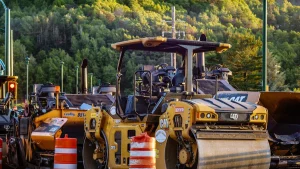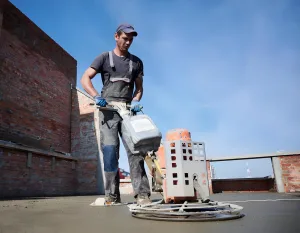
For contractors, the real savings come from preventing small failures before they become expensive repairs. That is especially true on road base, parking lot, and trench work, where vibration equipment runs hard and often.
- Clean soil, asphalt, and debris after every shift.
- Check fasteners, belts, and engine fluids before use.
- Replace wear parts before they damage the frame or engine.
- Train operators to use the right machine for each surface.
Key Takeaways for Lower Plate Compactor Maintenance Costs
The most effective way to reduce compactor maintenance is to combine daily inspection, correct operation, and planned parts replacement. This approach lowers unplanned downtime and helps crews keep productivity stable across repeated jobs.
Maintenance discipline matters because vibration tools create predictable wear on plates, bearings, mounts, and engines. NIOSH notes that vibration exposure can contribute to hand-arm health risks, so good work practices and administrative controls are part of a responsible maintenance strategy. NIOSH hand-arm vibration criteria
For concrete and masonry work, OSHA also requires safe maintenance practices and lockout/tagout when hazardous energy could cause injury during repair activity. That makes maintenance both a cost issue and a safety issue. OSHA 1926.702 equipment and tools
Why Maintenance Costs Rise on Compaction Equipment
Maintenance costs rise when operators overload the machine, skip cleaning, or ignore early wear signs. In practice, most expense growth comes from preventable damage rather than from normal service items.
Road and pavement agencies emphasize that compaction quality affects long-term pavement performance, which means poor machine condition can create downstream repair costs. FHWA’s pavement resources and recent publications continue to focus on construction quality and foundation uniformity. FHWA Pavements program FHWA pavement publications
On a busy jobsite, the most common cost drivers are simple: contaminated air filters, worn shock mounts, loose hardware, damaged base plates, and fuel-system issues. These failures are usually small at first, but they quickly affect compaction force and operator comfort.
Comparison Table: Common Cost Drivers and Their Maintenance Impact
| Cost driver | Typical cause | Maintenance impact | Best prevention |
|---|---|---|---|
| Contamination | Soil and debris buildup | Accelerates wear and overheating | Clean after each shift |
| Loose hardware | High vibration and poor checks | Creates frame damage and noise | Torque inspection routine |
| Engine strain | Wrong fuel, low oil, clogged filter | Hard starting and power loss | Pre-start fluid checks |
| Plate wear | Abrasive soil and asphalt contact | Reduced compaction efficiency | Replace wear parts early |
Daily Maintenance Protocol for Better Efficiency
A daily maintenance protocol is the simplest way to improve uptime and control repair spending. It turns maintenance from emergency response into a short, repeatable routine.
Before operation, crews should inspect fuel level, oil level, fasteners, belt condition, and visible cracks. After operation, they should remove compacted material from the plate, check for leaks, and store the unit in a dry area.
Maintenance Schedule Table: Daily, Weekly, and Monthly Tasks
| Interval | Task | Purpose |
|---|---|---|
| Daily | Clean plate, inspect fluids, check fasteners | Prevent immediate wear and unsafe operation |
| Weekly | Inspect air filter, drive system, and vibration mounts | Detect early mechanical issues |
| Monthly | Review spark plug, belt tension, and base condition | Reduce breakdown risk and power loss |
| Quarterly | Replace worn parts and document service history | Extend service life and improve planning |
The best maintenance routines also include operator feedback. If a machine begins to pull unevenly, vibrate abnormally, or lose forward speed, those symptoms should trigger inspection immediately.
How Jobsite Selection Affects Maintenance Costs
The right machine for the right surface reduces wear and lowers total ownership cost. A unit used outside its intended compaction range will consume parts faster and deliver weaker results.
CONSMAC’s product range shows how suppliers organize equipment by application, with categories such as plate compactor models, tamping rammer options, and floor grinding machines for different jobsite needs. The company also lists concrete mixers and road cutters for broader road and flooring workflows. CONSMAC product range
For open areas such as road bases, parking lots, and paving sublayers, a plate unit is usually more efficient. For narrow trenches, utility backfill, and wall edges, a rammer is often the better choice. Matching the tool to the task reduces overwork and unnecessary repair cycles.
Comparison Table: Plate Compactor vs Tamping Rammer

| Factor | Plate compactor | Tamping rammer |
|---|---|---|
| Best use | Open areas and base layers | Narrow trenches and confined spaces |
| Surface type | Granular soil, gravel, asphalt base | Cohesive soil and backfill |
| Efficiency | Higher on broad surfaces | Higher in tight zones |
| Maintenance risk | Plate wear and engine strain | Bellows wear and impact fatigue |
Operational Habits That Lower Repair Frequency
Operator behavior is one of the strongest predictors of maintenance cost. Careful handling reduces shock loading, overheating, and premature component failure.
Crews should avoid running the machine at full load on unsuitable material, forcing turns on hard surfaces, or leaving it idling unnecessarily. They should also use smooth passes and overlap patterns that keep compaction uniform without stressing the frame.
Training is especially important for small contractors and mobile maintenance teams. These users often need lightweight, easy-to-operate equipment that can move quickly between repair sites, but simplicity should not replace inspection discipline.
- Start with a clean work area and the correct fuel mix or fuel type.
- Use steady passes instead of aggressive side loading.
- Stop immediately if vibration changes noticeably.
- Log service dates and replaced parts for each unit.
Parts Strategy and Storage Practices
A parts strategy lowers maintenance costs by preventing emergency purchases and long downtime. The most useful spare items are usually filters, belts, mounts, fasteners, and wear components.
Storage also affects cost because moisture, dust, and poor handling shorten service life. Machines should be stored on level ground, protected from rain, and kept with fuel and oil managed according to the manufacturer’s instructions.
For road maintenance teams, this matters even more because equipment often moves between sites. A compact machine that is easy to transport still needs proper storage to avoid corrosion, seal damage, and fuel-system problems.
Where to Buy and What to Compare
The best supplier is the one that offers the right model, clear service support, and stable parts availability. For buyers comparing options, it is useful to review product categories, application fit, and after-sales response before placing an order.
At the target site, the most relevant product pages for this topic are the plate compactor category, the tamping rammer category, and the floor grinding machine category. These pages help buyers compare equipment by job type rather than by price alone. Main website
For broader industry context, buyers can also review OSHA construction requirements and FHWA pavement resources when building a maintenance or procurement standard. Those references help teams align equipment use with safety and pavement quality expectations. OSHA construction scope FHWA pavement management
FAQ
1. What is the fastest way to reduce plate compactor maintenance costs?
The fastest method is daily cleaning and inspection. Remove debris after each shift, check fluids and fasteners before use, and replace worn parts before they damage other components. This prevents small faults from becoming engine, frame, or vibration-system repairs.
2. How often should a plate compactor be serviced?
Service frequency depends on workload, but a practical schedule includes daily checks, weekly inspections, and monthly component review. Heavy-use crews should shorten those intervals. The key is to track operating hours and replace wear items before performance drops noticeably.
3. Does using the wrong machine increase maintenance costs?
Yes. A machine used on the wrong surface or in the wrong space wears faster and works less efficiently. Plate units are better for open base layers, while rammers are better for narrow trenches and confined backfill areas.
4. Why does vibration matter for maintenance planning?
Vibration affects both the operator and the machine. NIOSH identifies vibration exposure as a health concern and recommends engineering controls, work practices, and administrative controls. On the equipment side, vibration also loosens hardware and accelerates wear if not monitored.
5. What should buyers compare before choosing a supplier?
Buyers should compare product fit, service support, spare-part availability, and delivery reliability. For road and flooring work, it is also useful to check whether the supplier offers related equipment such as mixers, rammers, cutters, and grinders for a complete workflow.