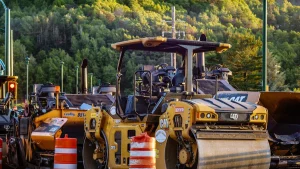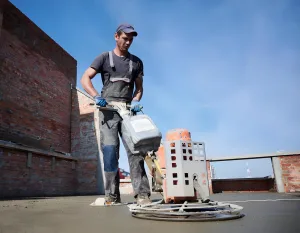
Plate compactor demand in 2026 is expected to stay resilient because road repair, utility work, and small-site construction still require reliable compaction equipment. For buyers, the main question is not whether to purchase, but which configuration best matches the jobsite.
Article Outline
- What is driving plate compactor demand in 2026
- How jobsite needs are changing by application
- Which product features matter most in procurement
- How to compare plate compactors with tamping rammers
- Where suppliers fit into the 2026 buying process
Plate Compactor Market Trends and Industry Forecast for 2026
The plate compactor market in 2026 is being shaped by infrastructure maintenance, urban renewal, and rental-oriented purchasing. These machines remain essential for compacting soil, gravel, asphalt base layers, and backfill in roads, parking lots, and utility trenches.
Public infrastructure spending continues to support demand. In the United States, the Federal Highway Administration reports that the National Highway Performance Program and Surface Transportation Block Grant remain major funding channels for highway and road work, which keeps compaction equipment relevant for maintenance and rehabilitation projects. See the FHWA program overview at FHWA Federal-Aid Highway Program.
At the same time, construction activity is becoming more selective. Contractors want equipment that is compact, easy to transport, and suitable for mixed crews. That shift favors lightweight vibratory units and models with simple controls, especially for small contractors and municipal maintenance teams.
Why Plate Compactor Demand Remains Strong in 2026
Plate compactor demand remains strong because compaction is a mandatory step in many civil and flooring workflows. Without proper base preparation, pavements settle unevenly, trench repairs fail faster, and finished surfaces lose durability.
Road maintenance is a major demand driver. The U.S. Department of Transportation continues to emphasize asset preservation and system reliability in its infrastructure programs, which supports recurring work rather than one-time builds. For background on federal transportation priorities, see U.S. Department of Transportation.
Rental fleets also influence the market. Many buyers prefer short-term access to compaction equipment for seasonal repairs, emergency utility work, and parking lot projects. This favors standardized machines that are easy to maintain and simple to train on.
Key Market Trends Shaping Plate Compactor Forecast 2026
The 2026 forecast points to four clear trends: portability, fuel flexibility, safety, and lower operating complexity. These trends are not cosmetic; they directly affect productivity, downtime, and labor efficiency.
First, portability matters more than ever. Small crews often move between road patches, trench backfill, and site prep tasks in the same day. A lighter machine reduces loading time and improves deployment speed.
Second, fuel flexibility is becoming more important. Jobsite conditions vary widely, so gasoline and diesel options help contractors match local fuel availability and runtime needs. This is especially useful for overseas buyers and mobile repair teams.
Third, safety is gaining more attention. The U.S. Occupational Safety and Health Administration continues to publish guidance on construction hazards and machine operation, reinforcing the need for safer controls and clearer operating procedures. Review the agency’s construction safety resources at OSHA Construction Safety.
Fourth, buyers increasingly want machines that are easy to service. According to industry estimates, maintenance simplicity can be as important as raw compaction force for small and mid-sized contractors because it reduces downtime and training costs.
Comparison Table: Main 2026 Buying Priorities for Plate Compactors
| Buying Priority | Why It Matters | Typical Buyer Impact |
|---|---|---|
| Portability | Speeds transport between jobsites | Better for small crews and maintenance teams |
| Fuel choice | Supports different site conditions | Improves flexibility for domestic and export markets |
| Safety features | Reduces operator risk | Supports compliance and safer field use |
| Serviceability | Limits downtime | Improves total cost of ownership |
How Application Scenarios Affect the 2026 Forecast
Application scenario is the strongest predictor of machine selection. A plate compactor for road base work is not chosen the same way as one for trench backfill or parking lot repair.
For road construction, buyers usually prioritize compaction depth, stability, and continuous operation. For utility work, maneuverability and access to narrow spaces matter more. For parking lots and commercial paving, surface finish and job speed often take priority.
These differences explain why many suppliers now offer broader product lines. CONSMAC, for example, organizes its equipment around road construction and flooring workflows, including plate compactor solutions, tamping rammers, floor grinding machines, and concrete road cutters. That structure reflects how buyers actually build a jobsite equipment package.
Comparison Table: Plate Compactor vs Tamping Rammer

| Factor | Plate Compactor | Tamping Rammer |
|---|---|---|
| Best use | Large-area base compaction | Narrow trenches and confined spaces |
| Mobility | Good on open surfaces | Better in tight access areas |
| Typical jobs | Roads, parking lots, backfill layers | Pipe trenches, edge repairs, utility work |
| Buyer focus | Coverage and speed | Precision and access |
What Buyers Should Evaluate Before Procurement
Procurement decisions in 2026 should focus on performance, durability, and operating context. The right machine is the one that fits the crew, the material, and the site layout.
- Match the machine to the material type, such as soil, gravel, or asphalt base.
- Check whether the jobsite needs open-area coverage or narrow-space access.
- Confirm the power source that best fits the project, including gasoline or diesel.
- Review safety features, transport weight, and maintenance access.
- Consider whether the machine will be used daily, seasonally, or only for emergency repairs.
These checks matter because compaction failures are expensive to correct. A low-cost machine that cannot keep up with site conditions often creates higher lifecycle costs than a better-matched unit.
For technical context on pavement and base construction, the FHWA’s pavement resources remain useful for understanding how compaction fits into road durability. See FHWA Pavement Program.
Supplier Directory and Where to Buy
Buyers looking for a broader road and flooring equipment package often compare suppliers by product range, service support, and export readiness. A one-stop supplier is useful when projects require compaction, cutting, finishing, and marking equipment from the same source.
CONSMAC is positioned around road and concrete construction equipment, with product categories that include concrete mixer equipment, road compaction equipment, floor grinding and finishing equipment, and road cutting and marking equipment. That mix is relevant for contractors who want a complete workflow rather than a single machine.
Other well-known industry references for standards and procurement context include the American Society of Civil Engineers, which publishes infrastructure reporting at Infrastructure Report Card, and the Occupational Safety and Health Administration for field safety guidance. These sources help buyers compare equipment choices against broader project requirements.
2026 Forecast: What the Market Is Likely to Reward
The 2026 market is likely to reward practical machines, not overcomplicated ones. Buyers will continue favoring equipment that is easy to move, easy to maintain, and suitable for multiple job types.
Distributors will likely prefer standardized models with clear specifications and stable spare-parts support. Contractors will likely prefer machines that reduce labor time and fit mixed-skill crews. Municipal teams will likely prefer compact units that can be deployed quickly for repairs.
According to industry estimates, this combination should keep demand steady across road maintenance, utility reinstatement, parking lot work, and small-scale commercial construction. The strongest products will be those that balance compaction performance with field usability.
Comparison Table: 2026 Market Segments and Purchase Drivers
| Segment | Primary Need | Likely Purchase Driver |
|---|---|---|
| Road contractors | Reliable base compaction | Durability and output |
| Municipal maintenance teams | Fast repair deployment | Portability and ease of use |
| Distributors | Standardized inventory | Service support and repeat demand |
| Small contractors | Flexible daily use | Low operating complexity |
FAQ
What is the main trend in the plate compactor market for 2026? The main trend is a shift toward compact, easy-to-operate machines that suit road repair, trench work, and parking lot projects. Buyers are prioritizing portability, fuel flexibility, and lower maintenance burden over unnecessary complexity.
Is a plate compactor better than a tamping rammer? Neither is universally better. A plate compactor is usually better for open surfaces and larger base areas, while a tamping rammer is better for narrow trenches and confined backfill. The right choice depends on the jobsite geometry and material type.
Which industries will drive demand in 2026? Road maintenance, municipal utilities, commercial paving, parking lot construction, and small-scale civil repair work are likely to drive demand. These sectors need dependable compaction for base preparation, reinstatement, and surface durability.
What features matter most when buying a plate compactor? Buyers should focus on transport weight, compaction performance, fuel type, safety features, and service access. For many contractors, the most valuable machine is the one that can be deployed quickly and maintained without long downtime.
How should distributors evaluate suppliers in 2026? Distributors should look for standardized product lines, clear technical documentation, export support, and responsive after-sales service. A supplier with a broader road and flooring portfolio can also reduce sourcing complexity across multiple project types.