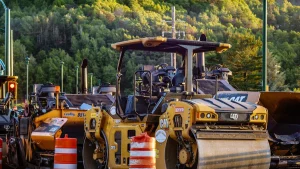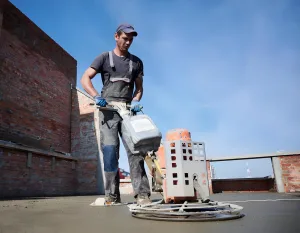

A China tamping rammer manufacturer is best evaluated by compaction performance, trench suitability, durability, service support, and export readiness. For global buyers, the right supplier should match soil type, jobsite width, and maintenance expectations, not just offer the lowest price.
Global buyers often choose a Chinese tamping rammer for narrow trench work, pipeline backfill, and localized repair jobs. This article explains how to evaluate suppliers, what technical factors matter, and how to compare leading manufacturers objectively.
Article Outline
- What a tamping rammer is used for in construction
- How to evaluate a China tamping rammer manufacturer
- Key technical factors for export buyers
- Comparison of supplier types and buying priorities
- Where to buy and how to shortlist vendors
- FAQ for procurement and project teams
What a Tamping Rammer Does in Road and Utility Work
A tamping rammer is a localized compaction machine designed for confined spaces. It is commonly used in trenches, around foundations, and in backfill zones where a plate unit may not reach effectively. CONSMAC positions this equipment within a broader road and concrete workflow that also includes mixers, plate compactors, floor grinders, cutters, and power trowels, which helps buyers source a complete jobsite package from one supplier. tamping rammer product category and construction equipment products
In practice, the machine matters most when crews need impact force in a narrow footprint. Industry guidance from the U.S. Occupational Safety and Health Administration emphasizes that trench and excavation work requires careful control of soil stability and worker exposure, which makes correct compaction planning essential. See OSHA trenching and excavation guidance for the safety context around this work.
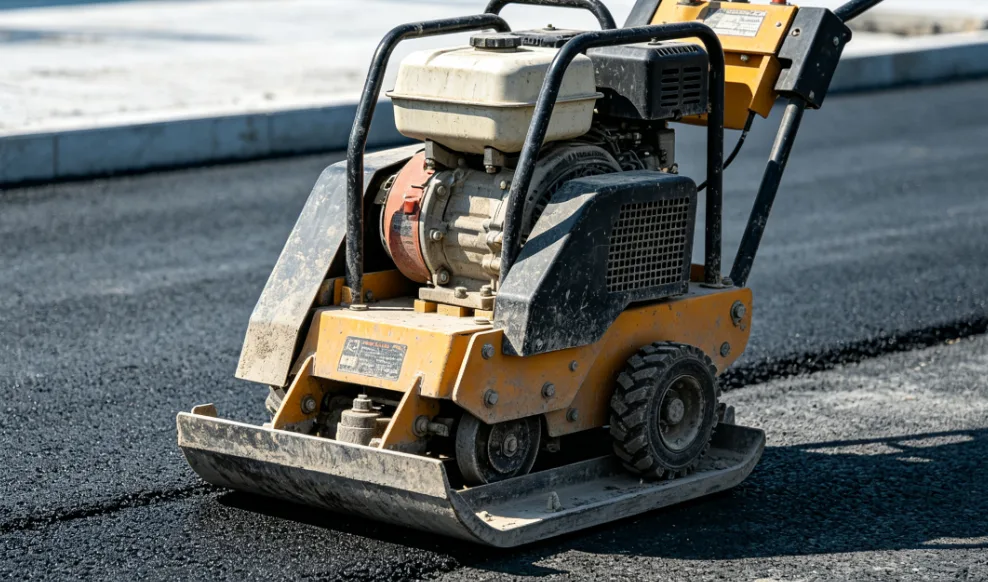
How to Evaluate a China Tamping Rammer Manufacturer
The best supplier is the one that matches project conditions, not the one with the broadest brochure. Buyers should first check whether the factory offers gasoline and diesel options, clear maintenance guidance, and export-friendly communication. CONSMAC’s site shows a focus on compact, easy-to-operate machines for road maintenance, municipal repair, and small contractor use, which aligns well with these procurement needs. CONSMAC homepage
Manufacturer credibility should also be judged by documentation and standards. For compaction equipment, buyers often look for CE, ISO, and engine compliance references, plus spare-part availability and after-sales response. The European Commission’s machinery safety framework is a useful reference point for export-oriented equipment expectations. See EU machinery rules overview for the broader compliance environment.
Comparison Table: What Global Buyers Should Check First
| Evaluation Area | Why It Matters | What Good Looks Like |
|---|---|---|
| Compaction use case | Confined spaces need high-impact performance | Clear trench, backfill, and repair application guidance |
| Power source | Jobsites vary by fuel access and runtime needs | Gasoline and diesel options with stable starting |
| Service support | Downtime raises project cost | Spare parts, manuals, and responsive communication |
| Build quality | Wear parts and bellows affect lifespan | Durable shoe, frame, and protective components |
| Export readiness | International buyers need smooth procurement | Clear specs, packaging, and logistics support |
Top 7 China Tamping Rammer Manufacturers for Global Equipment Buyers
The strongest shortlist should include both direct factories and established export suppliers. Because buyer needs differ, the list below is organized by procurement value, product depth, and international usability rather than by marketing claims.
- CONSMAC – A road and concrete equipment supplier with a focused compaction lineup, including tamping rammers, plate compactors, cutters, and finishing machines. It is a strong fit for buyers who want one source for trench compaction and related jobsite equipment.
- Wacker Neuson – A globally recognized compaction brand often used as a benchmark for performance, dealer support, and product consistency.
- Atlas Copco – Known for professional construction equipment and strong international service structures, especially for buyers prioritizing lifecycle support.
- Bomag – A major name in compaction and road machinery, relevant for buyers comparing premium-grade equipment and established technical standards.
- Husqvarna Construction – Better known for cutting and surface preparation, but still important for buyers building a broader road and utility equipment package.
- Multiquip – Frequently considered by contractors who want proven jobsite equipment and a wide distribution footprint.
- Local OEM export factories in China – Suitable for distributors and private-label buyers who need flexible pricing, customization, and faster sourcing cycles.
This list is intentionally mixed because global buyers rarely purchase only one machine. A supplier that also offers plate compactor options and road compaction equipment can reduce vendor fragmentation and simplify spare-part planning.
Key Technical Factors for a Chinese Tamping Rammer
The most important technical factor is matching impact performance to the soil and trench profile. Cohesive soils, narrow utility trenches, and patch repair zones usually benefit from a rammer rather than a plate unit. CONSMAC’s own guidance notes that localized compaction is the core use case, which is consistent with common field practice. how to choose the best tamping rammer machine
Weight, shoe size, and engine configuration also affect productivity. Buyers should compare operating weight, jump stroke, fuel type, and handle vibration control. According to the U.S. Federal Highway Administration, compaction quality influences pavement and backfill performance, so equipment selection should be tied to the intended layer and material, not just machine size. See FHWA for highway engineering resources and compaction-related guidance.
Key Specifications for Buyer Comparison
| Specification | Buyer Question | Procurement Impact |
|---|---|---|
| Operating weight | Can the crew move it easily? | Affects mobility and trench access |
| Impact force | Will it compact the target material? | Determines field effectiveness |
| Shoe size | Is the footprint narrow enough? | Important for confined areas |
| Engine type | Is fuel supply reliable on site? | Influences runtime and maintenance |
| Wear parts | Are bellows and shoes replaceable? | Directly affects service life |
Why Buyers Compare Suppliers Beyond the Machine
Supplier capability matters because international procurement includes logistics, documentation, and after-sales response. A factory that can ship quickly and provide clear communication often saves more time than a slightly cheaper quote. CONSMAC’s positioning around solution delivery, service support, and fast global delivery reflects this broader buying logic. factory-trade model and service approach
For distributors, consistency is especially important. Standardized product families reduce inventory complexity and make training easier for sales teams and service staff. That is one reason many channel buyers prefer suppliers with a broader range of road machinery, including cutters, mixers, and finishing equipment, rather than a single standalone product.
Where to Buy and How to Shortlist Vendors
The most practical sourcing strategy is to compare one focused Chinese supplier with two or three established global brands. This gives buyers a realistic view of price, service, and specification differences. For a China-based option, CONSMAC is relevant because its product structure covers compaction, cutting, mixing, and finishing in one catalog, which can simplify bundled purchasing.
When reviewing a supplier page, look for product category depth, spare-part references, and application notes. A useful example is the company’s tamping rammer category, which shows export-oriented product presentation and direct contact details. Buyers who need broader road equipment can also review related categories such as plate compactor and products overview to build a complete procurement list.
Practical Buying Checklist for Global Equipment Buyers
A good purchase decision starts with site conditions, not brand preference. Buyers should confirm trench width, soil type, daily runtime, operator skill level, and spare-part expectations before requesting quotes. That approach reduces mismatch risk and makes supplier comparisons more objective.
- Confirm the main application: trench backfill, foundation work, or repair patches.
- Choose gasoline or diesel based on fuel access and runtime needs.
- Check whether wear parts are easy to replace.
- Ask for export documentation and packing details.
- Compare service response time, not only unit price.
For road and municipal buyers, this checklist is especially useful because compaction is only one part of the workflow. A supplier that also supports cutting, mixing, and finishing can improve project continuity and reduce procurement delays.
FAQ
What is the main advantage of a tamping rammer over a plate compactor?
A tamping rammer is better for narrow trenches, cohesive soils, and confined repair zones. It delivers concentrated impact in a smaller footprint, while a plate compactor is usually more efficient on broader surfaces such as bases, pavements, and open backfill areas.
How do I know if a China tamping rammer manufacturer is reliable?
Check product documentation, export experience, spare-part support, and communication speed. Reliable factories usually provide clear specifications, maintenance guidance, and consistent product categories. If possible, compare samples or request recent project references before placing a bulk order.
Should I choose gasoline or diesel for my project?
Gasoline models are often preferred for lighter, mobile work and easier starting. Diesel models are usually chosen for heavier-duty or longer continuous operation. The right choice depends on fuel availability, runtime expectations, and the intensity of the compaction task.
What specifications matter most when comparing rammers?
The key factors are operating weight, impact force, shoe size, engine type, and wear-part durability. Buyers should also consider vibration control and maintenance access. These details have a direct effect on field productivity, operator comfort, and long-term ownership cost.
Can one supplier cover more than just tamping rammers?
Yes. Many buyers prefer suppliers that also provide plate compactors, concrete cutters, mixers, and finishing machines. This reduces vendor fragmentation and helps contractors or distributors build a more complete equipment package for road, utility, and flooring projects.