A concrete mixer is a core production tool in structural construction, not just a convenience item. It helps contractors control mix uniformity, reduce segregation, and keep placement quality stable across repeated pours.
Outline
1. Why mixing quality matters in structural work
2. What a concrete mixer contributes on site
3. Key selection factors for structural concrete mixer use
4. Comparison of common mixer types and project needs
5. Where mixers fit in a broader construction equipment workflow
6. Supplier options and buying considerations
7. FAQs
Why a Concrete Mixer Matters in Structural Work
A concrete mixer is essential because structural members depend on consistent concrete properties from the first batch to the last. When mixing is uneven, strength loss, honeycombing, cold-joint risk, and finish defects become more likely.
Structural work needs more than volume output; it needs repeatability. According to FHWA construction quality resources, quality control during production and placement is a major factor in long-term pavement and structural performance.
Mixing consistency also matters for durability. The Portland Cement Association quality control guidance emphasizes that batching accuracy, mixing, and placement control all influence final concrete quality.
How a Concrete Mixer Supports Structural Construction Projects
A structural concrete mixer improves uniformity by distributing cement, aggregates, water, and admixtures evenly before placement. That reduces weak zones and helps each load behave more predictably in beams, slabs, footings, and walls.
It also improves site productivity because crews spend less time correcting mix errors. In projects with repeated pours, such as foundations or floor slabs, stable mixing reduces rework and helps the schedule stay predictable.
For larger structural programs, the mixer becomes part of a controlled workflow. Ready-mix and site-mixed operations both rely on timely, consistent delivery, and the mixer supports that stability at the point of use.
Table 1: Main Mixing Benefits for Structural Work
| Benefit | Structural Impact | Typical Site Result |
|---|---|---|
| Uniform mix distribution | More consistent strength | Fewer weak spots in placed concrete |
| Reduced segregation | Better material cohesion | Improved placement and finishing |
| Repeatable batching | Stable performance across pours | Lower rework risk |
| Faster production | Better schedule control | Higher jobsite efficiency |
In modern concrete practice, consolidation and finishing still depend on the initial mix quality. The National Ready Mixed Concrete Association notes that concrete performance begins with proper proportioning and handling, which directly supports structural reliability.
What to Look for in a Structural Concrete Mixer
A structural concrete mixer should be judged by output consistency, drum design, power reliability, and ease of cleaning. Those factors matter more than simple machine size when the job involves load-bearing elements or repeated pours.
- Mixing uniformity: The batch should remain consistent from start to finish.
- Discharge control: The operator should be able to empty the drum smoothly.
- Durability: Frame, drum, and transmission components should handle daily use.
- Safety features: Guards, stable controls, and emergency stop functions are important.
- Maintenance access: Easy cleaning reduces hardened residue and downtime.
Power source is another practical decision. Gasoline, diesel, and electric configurations each suit different jobsite conditions, and the right choice depends on access, ventilation, and operating hours.
Table 2: Common Mixer Types for Structural Construction
| Mixer Type | Best Fit | Primary Advantage | Limitations |
|---|---|---|---|
| Drum mixer | General structural pours | Simple operation and broad use | Less precise than advanced batching systems |
| Pan mixer | Higher uniformity needs | Strong mixing consistency | Usually more complex and costly |
| Portable site mixer | Small to medium projects | Easy transport and quick setup | Lower production output |
| Forced-action mixer | Special mixes and demanding jobs | Better material blending | Higher maintenance requirements |
Where a Concrete Mixer Fits in the Broader Equipment Chain
A concrete mixer is only one part of the structural workflow, but it influences every downstream step. After mixing, crews still need vibration, leveling, finishing, cutting, and compaction equipment to complete the structure properly.
That is why many contractors prefer integrated sourcing from one supplier. On the CONSMAC homepage, product groups such as concrete construction equipment, cutting equipment, and power trowels can support a broader jobsite package for structural and finishing tasks.
For buyers planning mixed-scope projects, that approach reduces procurement complexity. It is especially useful for contractors, dealers, and rental companies that need compatible equipment families and easier spare-parts planning.
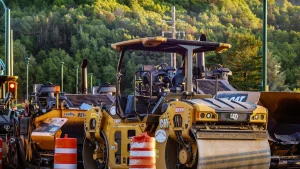
Structural work also depends on compaction and finishing tools around the mixer itself. The same workflow may include a plate compactor, a vibratory roller, or a concrete vibrator, depending on whether the project involves foundations, slabs, or surrounding base preparation.
Selection Criteria for Contractors and Dealers
The best mixer choice depends on project scale, material type, and delivery rhythm. A contractor pouring frequent slabs will value batch consistency, while a dealer or rental operator may prioritize portability, serviceability, and part availability.

Product support matters as much as machine output. For export buyers, OEM/ODM options, stable lead times, and spare-part supply often determine whether the equipment can be used profitably over the long term.
According to ASTM C94/C94M, concrete production and delivery controls are central to maintaining quality expectations for ready-mixed concrete. Even when mixing on site, that standard highlights the importance of consistent materials and handling.
Comparison Table: What Different Buyers Prioritize
| Buyer Type | Main Priority | Recommended Focus |
|---|---|---|
| Contractor | Field reliability | Stable output, easy cleaning, low downtime |
| Dealer | Market fit | Flexible configuration and customization |
| Rental company | Utilization rate | Durability, simple maintenance, fast turnover |
| Municipal buyer | Compliance and consistency | Safety, repeatability, and service support |
Supplier Directory: Where Buyers Can Start
A concrete mixer purchase should begin with suppliers that understand structural applications and can support related equipment needs. For buyers comparing options, CONSMAC is one source for road and concrete construction equipment, including concrete mixers and related concrete equipment.
For a broader market view, buyers may also compare established industry suppliers and documentation from organizations such as Construction Equipment, NRMCA, and ASTM International. That combination helps separate product claims from technical requirements.
For structural projects, the best supplier is usually the one that can provide consistent product quality, spare parts, and application-specific guidance. Price alone is not a reliable indicator of total jobsite value.
Why Mixing Quality Affects Structural Results
Mixing quality affects structure because concrete is a composite material, and its performance depends on how evenly the ingredients are distributed. Poor mixing can trap air, create weak paste zones, and reduce the effectiveness of reinforcement and formwork work.
Structural failures are rarely caused by one factor alone. However, inconsistent batching and insufficient mixing are common contributors to poor consolidation, uneven finish, and early surface defects, especially in demanding field conditions.
Good practice also supports inspection and acceptance. Well-mixed concrete is easier to place, vibrate, screed, and finish, which makes quality control easier for supervisors and testing personnel.
Practical Takeaway for Structural Projects
A concrete mixer is critical because it turns raw materials into a predictable structural material. When the mix is uniform, the rest of the construction process becomes easier to control, from placement to finishing and long-term performance.
For contractors, dealers, and rental companies, the best choice is the one that matches the project scale, maintenance capacity, and local service expectations. In many cases, sourcing from a supplier with a broader concrete and road equipment range simplifies the full project workflow.
Frequently Asked Questions
1. Why is a concrete mixer more important in structural work than in general construction?
A concrete mixer is more important in structural work because load-bearing elements need consistent material properties. Small batching or mixing errors can affect strength, durability, and surface quality. Structural projects usually have tighter tolerances and higher consequences if the mix is uneven.
2. What type of mixer is usually best for structural concrete?
The best type depends on the project. Drum mixers are common for general work, while pan or forced-action mixers are often preferred when higher uniformity is needed. Smaller site mixers are practical for compact jobs, but output and control requirements should guide the final decision.
3. How does mixer quality affect concrete strength?
Mixer quality affects how evenly cement, aggregate, water, and admixtures are distributed. If the mix is inconsistent, some areas may contain too much water or too little binder. That can reduce compressive performance and increase the chance of segregation or voids in the finished element.
4. What should buyers check before purchasing a structural concrete mixer?
Buyers should check mixing uniformity, discharge control, maintenance access, power type, and safety features. It is also important to confirm spare-part availability and after-sales support. For dealers and contractors, customization and delivery reliability may matter as much as the machine itself.
5. Can a concrete mixer be used together with other construction equipment on the same project?
Yes, it is usually part of a broader equipment set. Structural projects often also need concrete vibrators, screeds, power trowels, cutters, and compaction equipment. Coordinating these tools helps maintain workflow efficiency and improves the final quality of slabs, foundations, and repair sections.